Kadiköy – You’d have to be blind not to love it (Istanbul Part I)

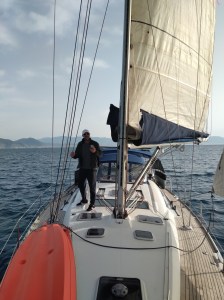
Hello, welcome come aboard. You may recall our last post covered how we ran the Çanakkale Straits and zig-zagged through the Sea of Marmara finishing at the Kalamış & Fenerbahçe Marina, on the Asian side of Istanbul, which would be our home for two weeks.

During our first few days we met co-owners of the lovely boat next door. Owner No 1 was an excitable but polite lad. When Ian accepted his offer of a beer and tour of his boat, he discovered that Owner No 1 had no sailing experience and had hired himself a professional captain to teach him the ropes. Ian returned to tell me he was reasonably certain Owner No 1’s excitement was chemically induced but after a couple of beers both their interpretative dance skills improved and they got along just fine.

The next day we met Owner No 2 who was less excitable but also a newbie. He was there to have his first “solo sailing and docking” lesson. Owner No 2 earned the moniker “Captain Crashy”, as he made the action in “Speed 2” look sedate. Ian’s opinion of Captain Crashy was probably made a little too obvious when he issued the command, “all fenders to port!” Having gone through this stage just 12 months ago, I was somewhat surprised when over dinner that night Ian rather cheekily commented, that “for a nation of seafarers, it was outrageous that someone who hadn’t grown up sailing dinghies would be allowed to purchase a full size sailing yacht and that there should be a law against it!” Since I know how much Ian loves a bad dad jokes I laughed politely and didn’t remind him that we also fit in this category!
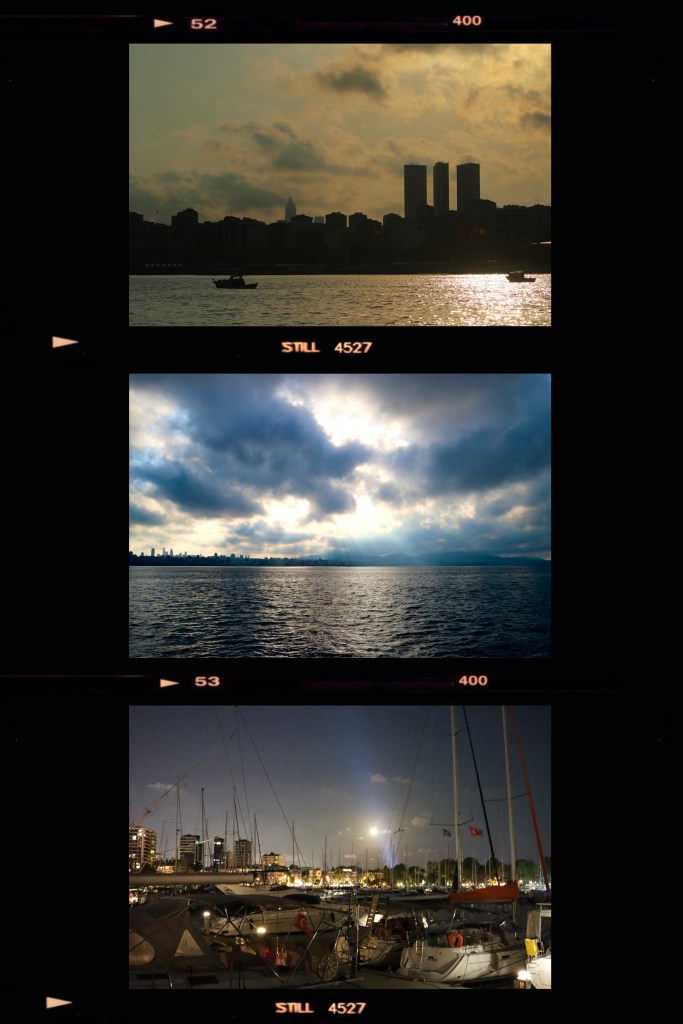
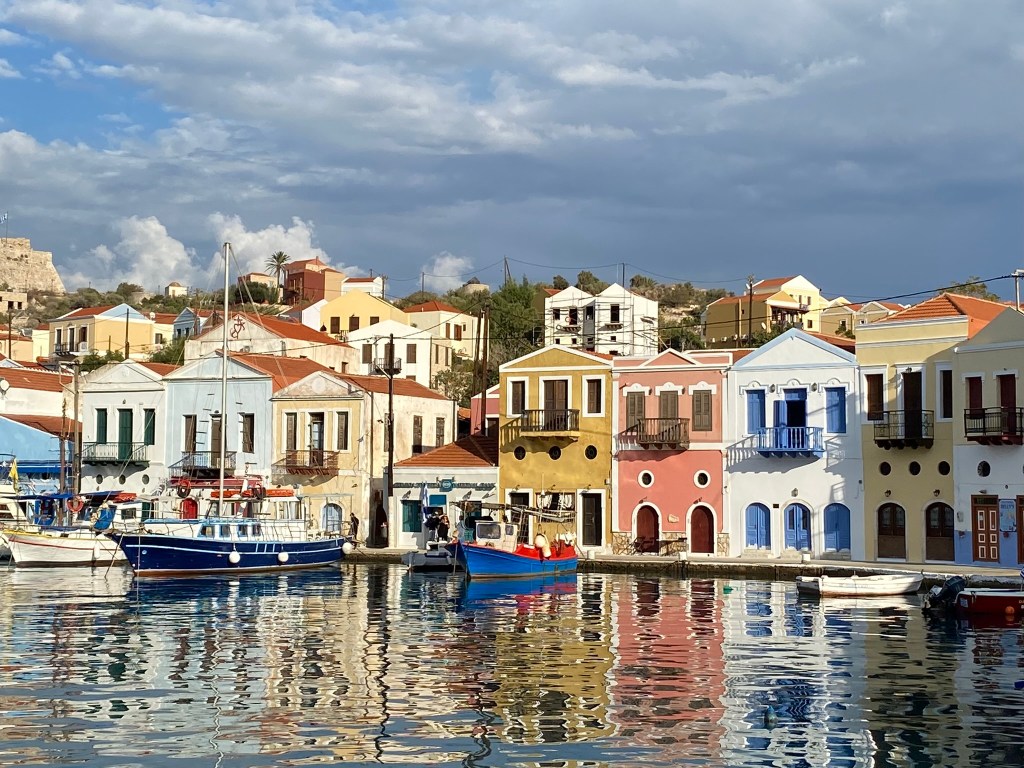
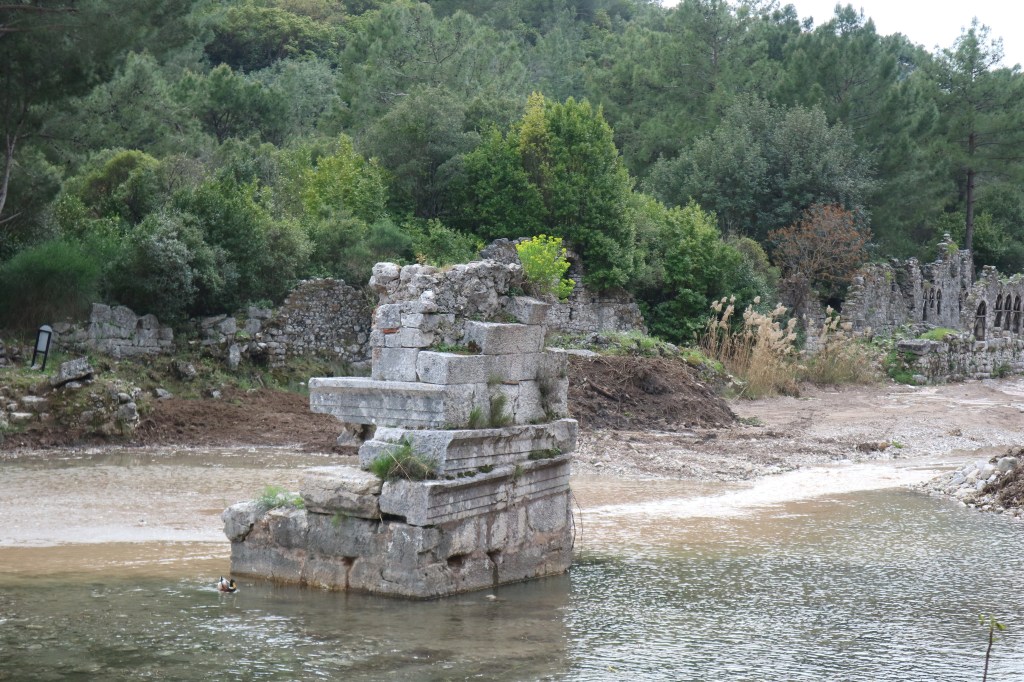
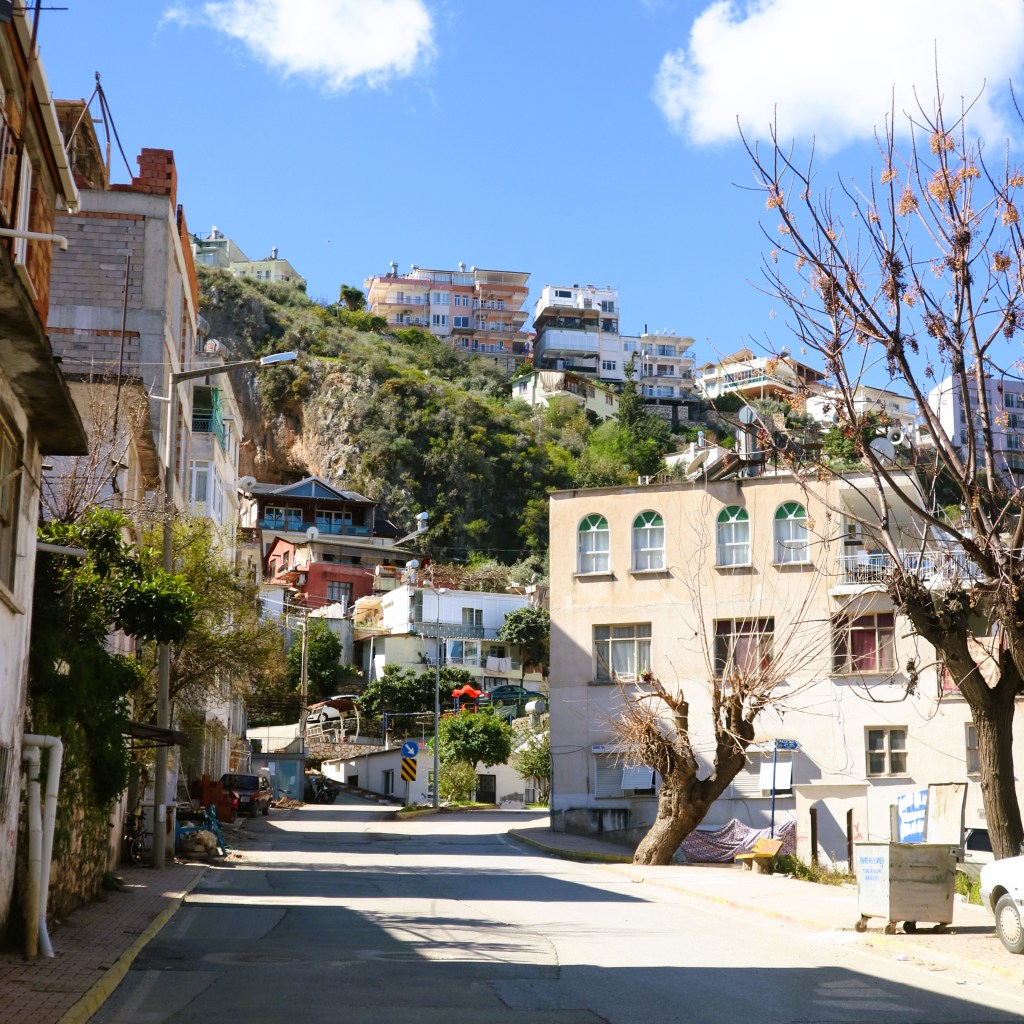
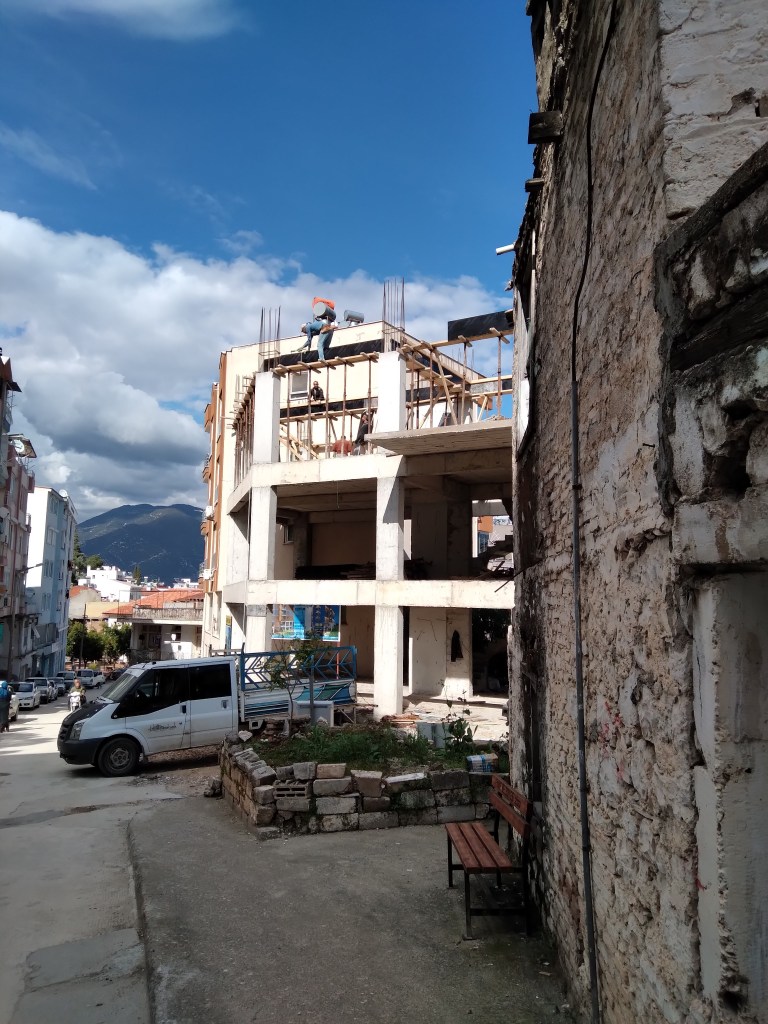
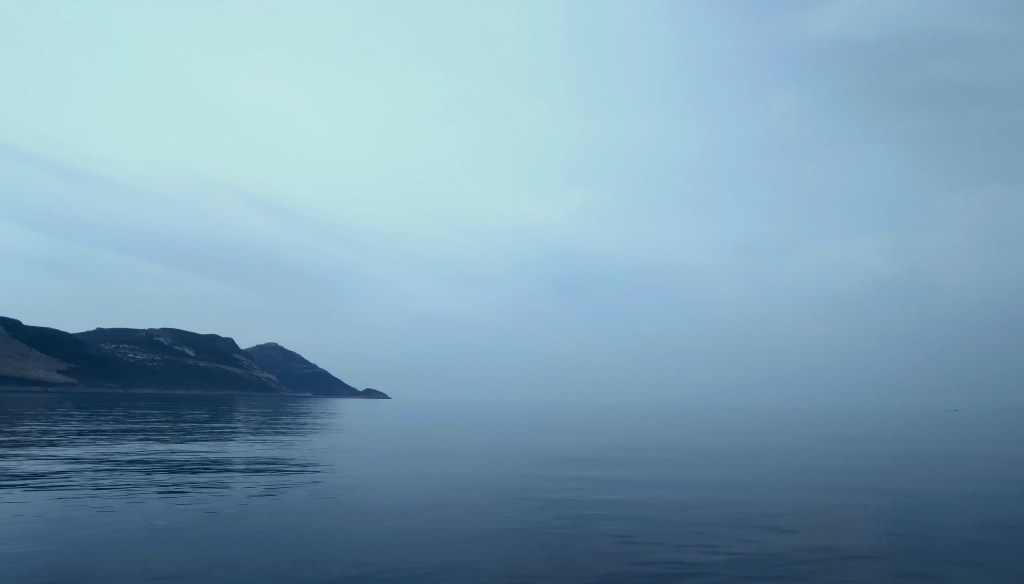
1 & 2 – Eastern Istanbul in the morning light
3 – Kalamış & Fenerbahçe Marina

Confident that both owners had eventually embraced the “slow and steady” method we felt it was safe enough to leave Longo and go exploring Kadiköy with Janine and Craig of SV Inelsamo.

Kadiköy in all its glory!

The history of Kadiköy is quite impressive. Whether myth or fact the story goes like this: Back in 7th BCE King Nissos, ruler of Megara Greece, had an avaricious son called Byzas. The king, not liking the regicide twinkling in his son’s eye, went off to seek divine parental guidance from the Oracle of Delphi. (Sidebar: The Oracle of Delphi was the preternatural adviser to all the cool rulers. She was originally “belonged” to Galea (Mother Earth). That is until she was stolen away by Apollo.)

The Oracle told the old King to send the Prince on a quest to find the “the city of the blind” because this is where Byzas would earn his fame and fortune. Byzas decided that a bit of questing might be invigorating and if nothing came of it he could always return to pop off his old Dad later.

After a good long while adventuring with the obligatory fighting, pillaging and general mischief included, the Prince tired of the quest and decided to make camp on the Western shore of the Bosphorus Strait before heading back to see about his father. As the prince and his cronies looked across to the Eastern shore they saw, to their surprise, the Megara colony called Chalcedon. One of the Prince’s Generals laughingly said of the Chalcedonians “they must be blind! This shore is far superior, with its fertile farmlands and naturally defensible estuary. What were they thinking!” (the estuary is known as the Golden Horn).And so the Oracles prediction was fulfilled, Byzas, not blind to the virtues of the Western shore, made it his home; naming it Byzantium” after himself.

Shortly after, Byzas’s little settlement took off and other began to covet his is land. In 330 CE Emperor Constantine, the Emperor divided the Roman Empire into East and West. He took Byzantium for himself and being another shy and retiring type, renamed it Constantinople and called it his own and ruled the Eastern Roman Empire (or the Byzantine Empire) happily for quite a while.

During Mustafa Atatürk’s restructuring of modern Turkey in 1923, Constantinople was formally renamed Istanbul, which is what the locals had called it from time immemorial. Istanbul means “to the city”.

What became of the little settlement on the Eastern Shore of the Bosphorus Straits known as Chalcedon? It was an early centre for Christianity. The Council of Chalcedon was asked to deliberate on some pretty heavy Christological questions aiding in the foundations for many Christian ideologies that are still maintained today.

However it would have been a tad uncomfortable to be a Christian in Chalcedon at times since it was occupied by the Persians, Romans, Byzantines, Arabs, and the Ottomans. The crusaders had a good go too. Chalcedon remained “independently governed” until the mid-1400s when the Ottomans brought it officially within the boundaries of the great city-state of Constantinople and renamed the town “Kadiköy”. This means “the Village of the Judge” and honours its role in the birth of the great city that is now known as Istanbul.

The Kadiköy that greeted us was a leafy bayside suburb teaming with beautiful people lounging in trendy cafes or walking through verdant parks on their way to and from high rise apartments and vintage summer style mansions. At its heart is a transportation hub connecting East and West Istanbul by ferry, bus, taksi, dolmuş and the underground metro. Quayside hosts many market style stalls selling everything from flowers to doner kebabs and buskers in the afternoons. This area is a thriving mix of locals and tourists all politely mingling. The local commuters are remarkably tolerant of the visitors to their shores. I’ve noticed that even the most harried office worker struggles to wallow in their misery when they commute by ferry. I think it’s the dolphins playing around the ferries that does it.

Just behind the ferry terminal lies a traditional bazaar. The cobblestone lanes are crowded, mostly with locals shopping for Tursu (Turkish pickles), dried vegetables, lokum (Turkish delight) and other staples. The chatter of the pedestrians and hawkers compete with the inescapable buzz of mopeds being ridden by all and sundry through the crowds. We have become attuned to the practised daredevilry of these moped riders as they weave amongst traffic and pedestrians. Ian doesn’t miss a step as he pulls me (usually with camera in hand) out of the way.
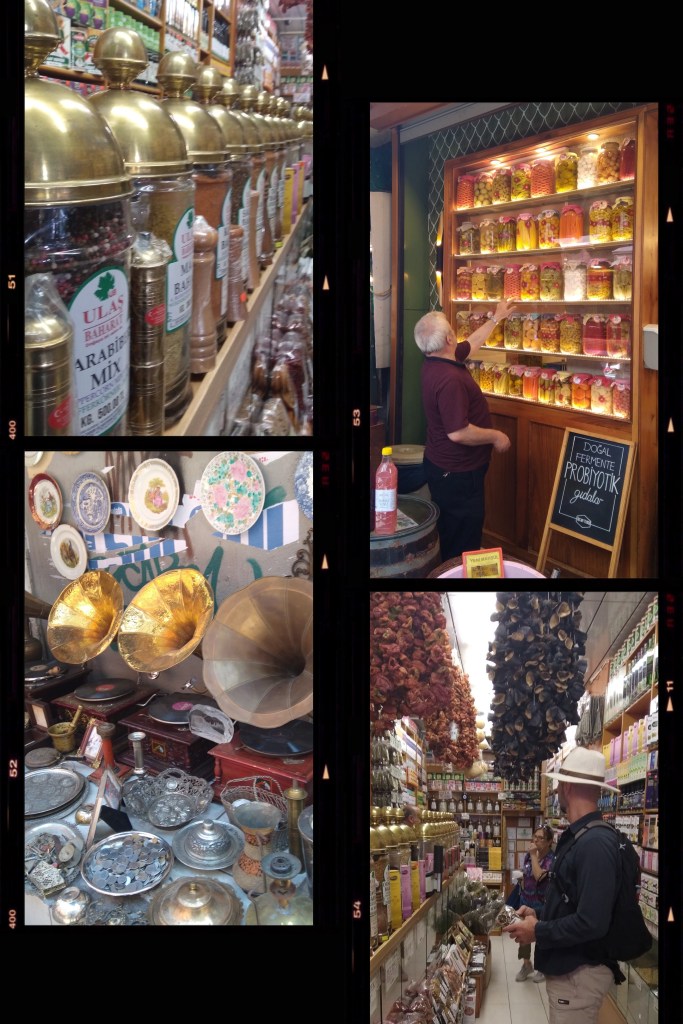
Ian loves the markets and always tries to use his Turkish skills when talking to the owners. For the most part the shopkeepers and other customers are pleased that he is willing to have a go.

It was here that we found Yanyali Fehmi Lokantasi, a cafeteria style restaurant. These kinds of restaurants are common in Türkiye. They serve the hardy home-style meals and çay (tea) favoured by the locals. They’re almost always owned by families, serving their own take on traditional recipes. Thankfully, Yanyali had an English menu with their family history printed in the front. Without this we would never have known that Husyin from Bolu, the founding chef of the Yanyali restaurant, was once the Head Chef at the Topkapi Palace during the reign of the last Ottoman Sultan, Mehmed VI Vahideddin. Lofty ancestry indeed! Especially since the Sultan’s kitchen fed up to 4,000 royals and other officials daily. To achieve this, Husyin would have been in charge of 800 people and the kitchen sported no less than 20 chimneys.When the Sultan was expelled by the Grand National Assembly of Türkiye, Huysin was imprisoned by the British. (The British occupied Istanbul for a time toward the end of WW1.) on his release, he was hired by the founder of the restaurant, Fehmi Sönmnezler from Yanya. When we decided to take a seat outside this unassuming restaurant it was being run by Fehmi’s Great-Grandsons: Tansel Can and Ergin Sönmnezler.

Ian, overwhelmed by all the tasty choices (over 100 different dishes are made each day), decided he would enlist the assistance of a friendly waiter called Ergin. Using his go to question: “what’s your favourite?”. Having snaffled the best selection for himself, Ian bought the waiter back to our table to help the rest of us decide. In the end, we tried a variety of mains; lamb with onion, slowed cooked lamb, Begendi Kesap and zuchinni fritters.

When Ergin pried himself away from our table to serve someone else we realised our “waiter” was in fact the owner Ergin, the Great-Grandson of Fehmi, the original owner. Ergin returned as we chatted with him about his family history and the great food on offer. With much pride he told us that his Great-Grandfather had worked in the restaurant until he was 98 years old. (While it wasn’t spoken of directly, we came away with the impression that Ergin was also related to the chef, Huysin. Perhaps Huysin’s daughter married one of Fehmi’s sons?)

I guess our rapt attention to his stories impressed Ergin because he disappeared momentarily only to return with a number of delicious mezzes. Initially we all refused the dessert options, however Ergin, with an especially mischievous smile, insisted we try the house specialty. The origins of this desert is something of a mystery. Some suggest it dates back to the Byzantium era. Others argue it comes Arabian lands. According to Ergin it was speciality at the Topkapi Palace and something Huysin regularly made for the Sultan.

Yanyali Fehmi Lokantasi

When he presented the dessert, he told us it contained a very special ingredient and challenged us to figure out what it was. It looked like white slime with a sprinkling of brown dust or dirt. It wasn’t a bad, smelly, get out the rubber gloves and disinfectant kind of slime. When I poked it wobbled just like the slime I made as a kid (cornflour and water); it was all shiny and blobby. It had the texture of blancmange and the flavour was surprisingly sweet. The kind of thing you’d feed to someone who’d just had their tonsils out. After our first taste, we all had a go at trying to figure out the secret ingredient. Even when Ergin told us it was called Tavuk Gögösü Pudingi, Ian, our linguistic gastronomer, wasn’t able to guess the secret ingredient.

Right! So guess, right about now you’re saying “Yeah, yeah, telling us what it is.” Well, it’s all in the name.

“Tavuk Gögösü Pudingi” translates to “Chicken Breast Pudding”.

You make the dessert by cooking chicken breasts for 6 hours, you shred and beat that smooth, mix it with sugar, rice-starch and milk (Ergin told us they use buffalo milk). Once it’s set, it’s sprinkled with cinnamon or nutmeg. Ergin was immensely pleased that we’d scoffed lot even after the big reveal. It was so delicious. I would have licked the plate but Ian wouldn’t let me!

At first we thought we’d only need a couple of days to see all that Kadiköy and Istanbul had to offer. It turned out that two weeks in Istanbul isn’t nearly enough! It’s a start but I’m not sure a lifetime would be “enough”.

Shortly, I will post Part II of our adventures until then fair winds and a dearth of sea monsters for your journey ahead.

Dardanelles Dash

Hello, welcome, come aboard. We’ve been at this grand tour for a year now. It’s been a whirlwind of adventures, fun, family milestones and new friendships. If, as they say “life is what happens when you’re not looking” then I’d love see what we’re missing. I have three other blogs half done but I am putting them aside to tell you of our most recent sailing adventures through the Dardanelles Strait on our way to Istanbul . (Sorry folks, I’ve written an essay: I’d call it a leisurely Sunday morning read over a long coffee and maybe a croissant.)

This place is the heart of history: ancient and modern. All of it incredibly interesting and relevant. When we were planning our life on a boat and talking about the places we would go, the Dardanelles held a dual fascination. Especially for Ian as it’s the heart of the ANZAC tradition and a sailing challenge in terms of prevailing winds and currents.

Here too, near the Aegean entrance to the Dardanelles, lays the ancient city of Troy, as immortalised in history, myth and legend. I’ll try to get to some historical aspects in future blogs, but we’re finding the depth and breadth of Turkish history a little overwhelming. As an example, recently archaeologists discovered a temple and ancient city at Gobekli dated at 10000 years BCE, that’s 6000 years before Stonehenge! This discovery is challenging our understanding of human development in terms of societal structure and technology.

This blog, however, is all about the sailing. Honestly, we mostly motored for this passage as sailing is prohibited within the Dardanelles and the winds were against us but let’s not quibble over the semantics.

Those on FB will know that on 19 June 23, we tackled the Dardanelles Strait. The Dardanelles are a narrow, natural strait once known as Hellespont and now officially called the Çanakkale Boğazı in Türkiye. The Dardanelles together with the Bosphorus Straits, are called the Turkish Straits. This is where “East meets West” in the city of Istanbul and the waterways are gateway to the countries of the Black Sea.

The Dardanelles is a naturally zig zag 61km waterway. The narrowest section is just 1.2 km wide is just 55metres deep though in other stretches the depth plunges to 338 metres. The Straits have two opposing currents: a surface current flowing in from the Black Sea (via the Sea of Marmara) towards the Aegean Sea (against us) and a heavier saline undercurrent flowing from the Aegean Sea into the Sea of Marmara. The current speed can reach up to 3.5 knots. Making it a significant maritime challenge especially for smaller sailing vessels with cruising speeds around the 7 knots (like us). We now have some inkling of how Sisyphus* felt. This, combined with an all or nothing prevailing head wind makes weather planning crucial to ensure you have the right conditions for your run up the Dardanelles. (*the poor sod charged with pushing a boulder up hill everyday for eternity. Every night the boulder would roll back down)

To further the complicate the already tricky cruising conditions, the Dardanelles (together with Bosphorus Straits) are the only sea route between the Mediterranean and the Black Sea. They are critical for the transportation of goods to and from Bulgaria, Romania, Moldova, Ukraine, Russia and Georgia. Consequently these waterways are among the busiest in the world.

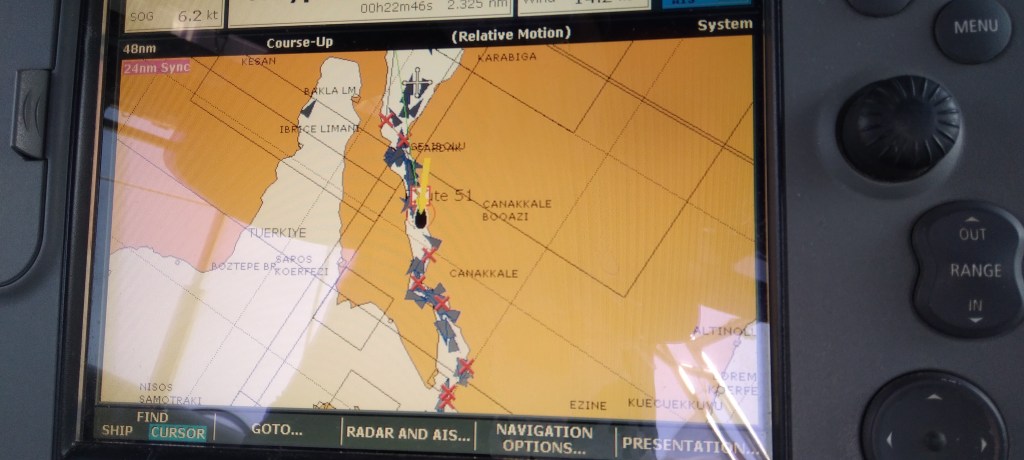
Not the best shot I know, but that grey blobs are individual ship markers (triangles) on our chart plotter. These blips do not include the local fisherman or the coastguard boats, who don’t electronically transmit their location. The black blob almost centre with the yellow arrow is Longo Maï! The red crosses are our planned course.

As our friends and sailing companions for this trip, Janine and Craig on SV Inelsamo told us the Dardanelles are “considered one of the most hazardous, crowded, difficult and potentially dangerous waterways in the world.” So not your average Sunday cruise around the bay!

A quick pitstop to introduce Janine & Craig and their lovely yacht, Inelsamo. As sailing buddies go we couldn’t have asked for better than these Aussies. They have loads of sailing experience, stories galore and Janine makes a mean Spaghetti Bolognaise. They have generous hearts and are willing to share their advice, time and adventures with us. Just as well since we often have very little idea of what we’re doing.

1. The very lovely SV Inelsamo.
2. The crews of Inelsamo and Longo Maï

We began our day well before sunrise at the Bozcaada Island municipal dock. It’s that lovely time of the day when the sun’s blush races ahead to soften the pre-dawn darkness. In the distance we could see the cargo ships lining up to take their position in the conga line that would wind through the Straits shipping lane throughout the day.

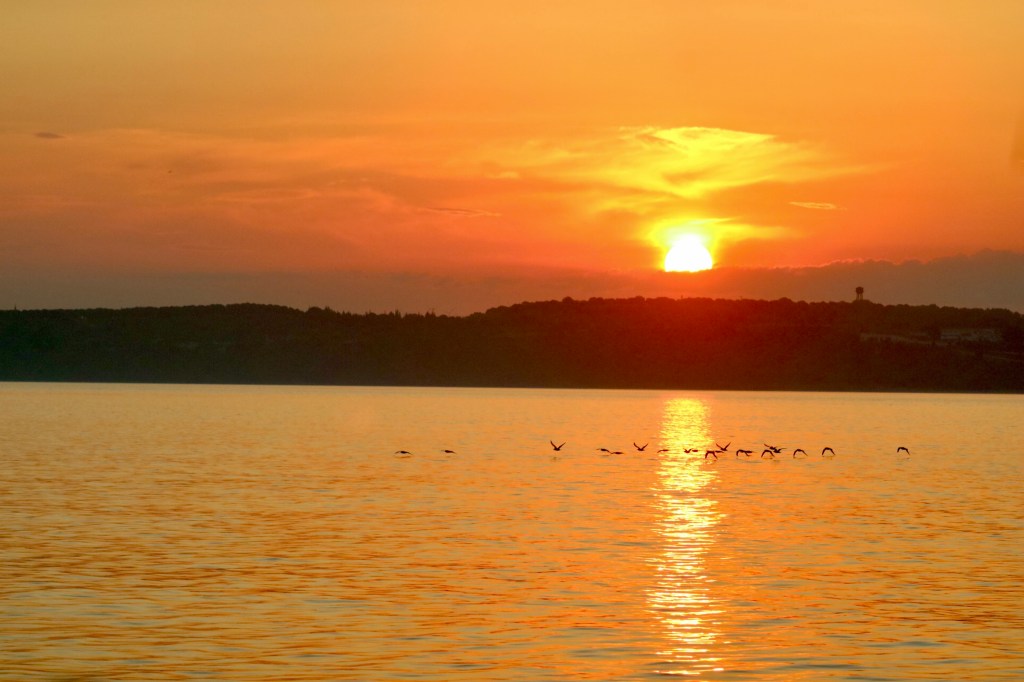
The trip from Bozcaada to the mouth of the Dardanelles is about two hours. There was only the tiniest ripple of imperfection on the water and barely a breath of air, so the sailing was easy. This gave us time for a much needed coffee, so I left Ian and Brittany (our autopilot, because Brittany Steers) on watch and headed down to the galley. Thankfully I was back on deck as the sun rose over the Eastern shore. I have 40 or so photos of this sunrise but will only inflict the very best one on you. Poor Ian, he had to listen to me prattle on about this sunrise while trying to enjoy his coffee and man the helm.

Sunrise over the Dardenelles

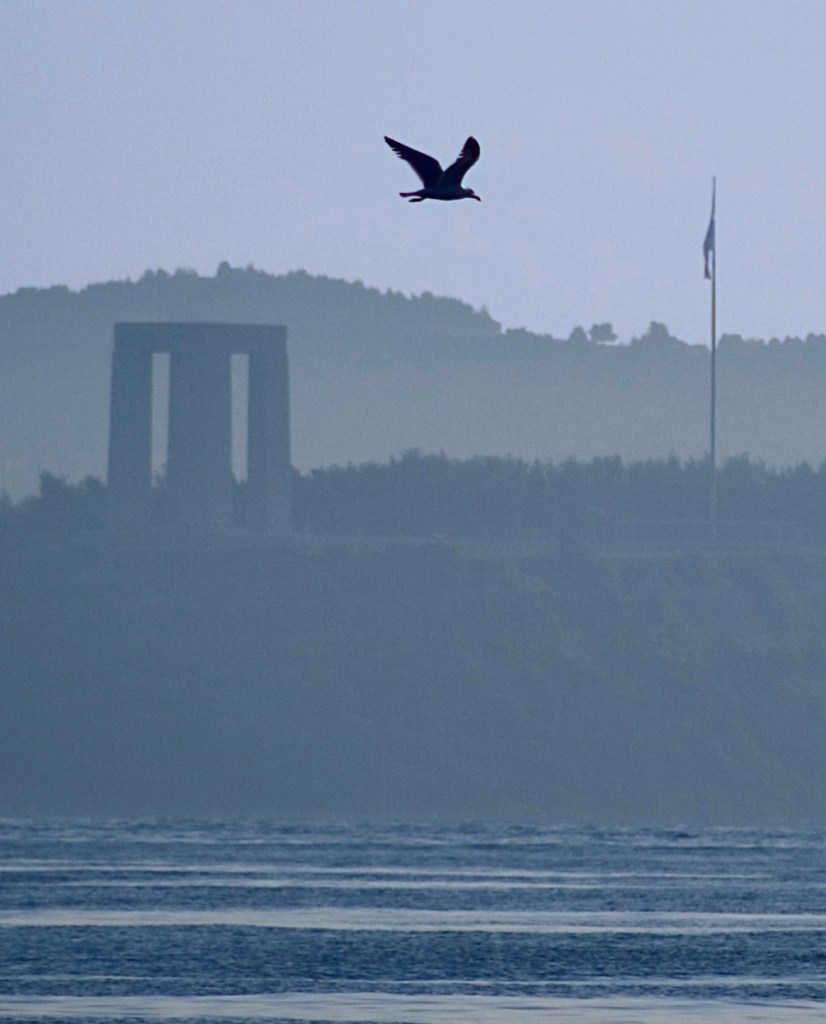
The historical significance of this region hit home, shortly after as the first and largest monument in the region appeared on our horizon. The Çanakkale Martyr’s Monument memoralises the service of the 253,000 Turkish soldiers who participated in the battle for Gallipoli. Being reminded of the noble husbands, loyal fathers and frightened sons (no doubt there were some daring daughters as well) that lost their lives on the Gallipoli battlefields was an arresting pause in our otherwise exuberant excitement for the day’s adventure.

Çanakkale Martyr’s Monument

Shortly after passing the monument we entered the Straits and began to experience, for the first time, the current that we would compete against for most of the day. Our speed slowed as our boat’s engine pushed against the water escaping the Marmara Sea through the funnel that is the Dardanelles. In the photo of our chart plotter you can see our SOG (speed over ground) is 6.2 knots, as I mentioned we average 7 knots when motoring. Through the narrowest section we could only manage 3.5 knots thankfully this lasted only a few minutes.

There are two options for tackling this challenging current. The first is to stick to the 10 metre depth line where the current is weaker. This option means following the natural contours of the straits. The second option is to set a straight line path which includes some deep water stretches. The first option means a longer distance is travelled but the current’s effect on SOG is less. The second option means at times there is more drag from the current but overall distance is less. The different routes affect diesel consumption, time taken and… this is the point where my eyes glaze over because… well… math! To test the theory Inelsamo took the shallow water option, Longo took the straight line approach. Not that anyone was competing or anything but we’ll never know who was more efficient, as our boats have unique characteristics. However, from my perspective, the important distinction was that we were much closer to the action of the shipping lanes. While Craig and Janine were treated to a closer view of the beautiful landscape. Both worthy and made for great conversation over dinner.

The ships and boats operating within the straits are highly regulated with designated shipping lanes defined electronically. While smaller vessels, such as Longo, are confined to the edges, supposedly well clear of the monster ships. Imagine a big blue wet wobbly highway but there are no visible lane markers except those on your map. We heard constant radio chatter between ships (with varying accents) and, the Turkish pilot boats and the coastguard. Much of this was about the activities of the dozens of pilot boats zooming around the ships delivering and retrieving pilots. Watching the transfer of a pilot from a small boat to a ladder hung over the side of a huge ship makes those scenes in action movies where the hero jumps between moving cars quite humdrum in comparison.

The only time small boats are permitted in the central shipping lanes is when crossing “the road”. This maneavure takes precision timing to find a gap in the traffic big enough to accommodate our slower speed and the affect of current on the boat. We crossed over towards the end of our passage to reach our anchorage. So I now know how a slightly arthritic and near sighted echidna feels as it tries to cross the Bruce Highway on the first Saturday of Easter holidays!

Along the way we saw a dolphin pod playing, plenty of local fishing boats that make our Longo look massive, whirlpools big enough that we felt their affect on the boat’s performance, and ferries making the dash across the strait between traffic. Thankfully, we didn’t sight the illusive Porphyrios.

Another brief interlude to introduce Porphyrios. Porphyrios was a large whale that harassed and sank ships in the waters near Constantinople (as Istanbul was then known) in the sixth century. Active for well over 50 years, this mega-ton murder fish was more than a bit of a bother for Byzantine seafarers. He was such a nuisance that Emperor Justinian I (r. 527– 565) declared Porphyrios’s demise a State Matter, but it seems no one could catch or kill this elusive beast. Eventually, Porphyrios beached himself near the mouth of the Black Sea chasing a dolphin snack and the locals took the opportunity to have a mammoth cookout on the beach! True story! (So orca’s chomping on boats rudders is definitely not a new thing)

Found on Pinterest

We did see a hooligan ship captain overtake another ship on a narrow curving section of the strait. Overtaking is prohibited and the captain being overtaken made his displeasure quite “vocally” over the radio. It was the gutsiest, and stupidest, move we’ve ever seen. The slightest misjudgment would have risked a collision in a narrow waterway with no room for evasive manoeuvres. The overtaking boat was going so fast it created quite an impressive bow wave, which one brave dare-devil dolphin used to perform impressive leaps into the air. Unfortunately this all happened close enough to us that we changed our course to avoid being the “bug on the windscreen” and so I was too busy to take photos or video!

We were also challenged when the wake of another ship passing over shallower water resulted in steep white capped waves. As we were travelling parallel to the ship these waves were coming at us from the aft portside (back left hand side). Initially we were just going to ride this out without altering course as we had for other ship wakes. However, Ian looked back to see Inelsamo (a 52’ boat) turn into the waves. After watching Inelsamo launch its bow skyward before burying its nose into the next wave, we thought discretion is definitely the better part of valour and turned to meet the waves head on as well instead of risking swamping our cockpit.

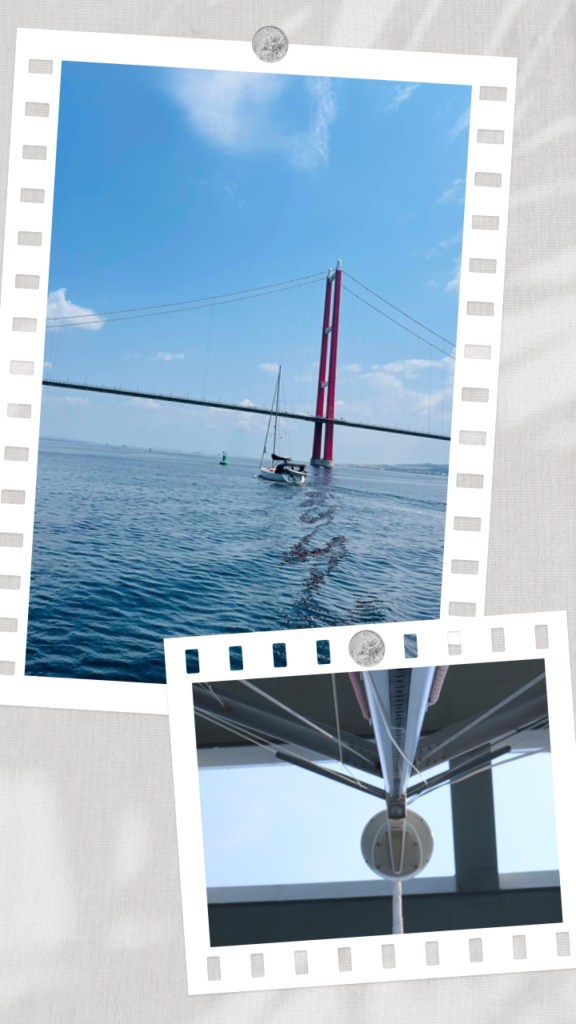
Another treat this journey had in store for us was our first bridge underpass. The “1915 Çanakkale Bridge” is named in honour of the Turkish naval victory against the British, French and allied navies during WWI. It is the longest suspension bridge in the world with a total length of 4.61 kms and a main span of 2.02 kms. Though, for us, it wasn’t its length and engineering magnificence that mattered but its height! After all, our boat is 18 metres high (from the water line to mast pinnacle) and the consequence of touching the mast on a bridge would be catastrophic. We needn’t have worried so much since the bridge is 334 metres above the waterline! So it was never a real issue, but still, I felt a tingle of nervous anticipation as we glided into its shadow.

Under we go!
1. Knowing we were a bit thrilled by all this nonsense, Inelsamo followed behind to get photos of our first bridge “crossing”.
2. Looking up the mast at the road above.

After completing our run through the Dardanelles we were expecting a pleasant few hours of easy cruising along the coast of the Sea of Marmara before anchoring for the night. However, the weather gods are pranksters and darkened our horizon with a fast moving storm. Sailors mostly love the wind, we adore the sun, don’t mind rain but we are not terribly keen on lightening. This is understandable given the rather large conductive pole sticking out of our boats while sitting in a big puddle of water! The danger is real but the odds are reasonably low especially if you act appropriately. So after a quick assessment of the radar and a brief discussion between boats about the storm’s likely path, we decided to act “appropriately” and employ the usual tactical defensive action: avoidance. They don’t say “any port in a storm” for nothin’. So we headed into the nearest anchorage for a spell to give the storm time to pass ahead. As I performed my crew duties which invoke working the windlass*, counting chain length and generally keeping watch, while sitting on the deck as far away from all the shiny metal as I could possibly get, I was treated to a front row seat to the weather. Thankfully, the storm was more wet bluster than fireworks (I didn’t see any lightening) and after a short while we upped anchor and continued to our night anchorage. (*anchor lowering do-dah)

After such a long day (12 hours or so underway) we popped over to Inelsamo for a dinner of Janine’s delicious spaghetti and a few wines before dinghying home for a good long sleep. The next day was just as long as we motored along the Sea of Marmara, with even more dolphin, ship and storm watching. We also had some adventures in Grand Petit Bateau, our dinghy, but as there was no damage, no injuries and importantly no video, that story will become a myth that you might be able to persuade Ian to tell you over a G+T sometime.

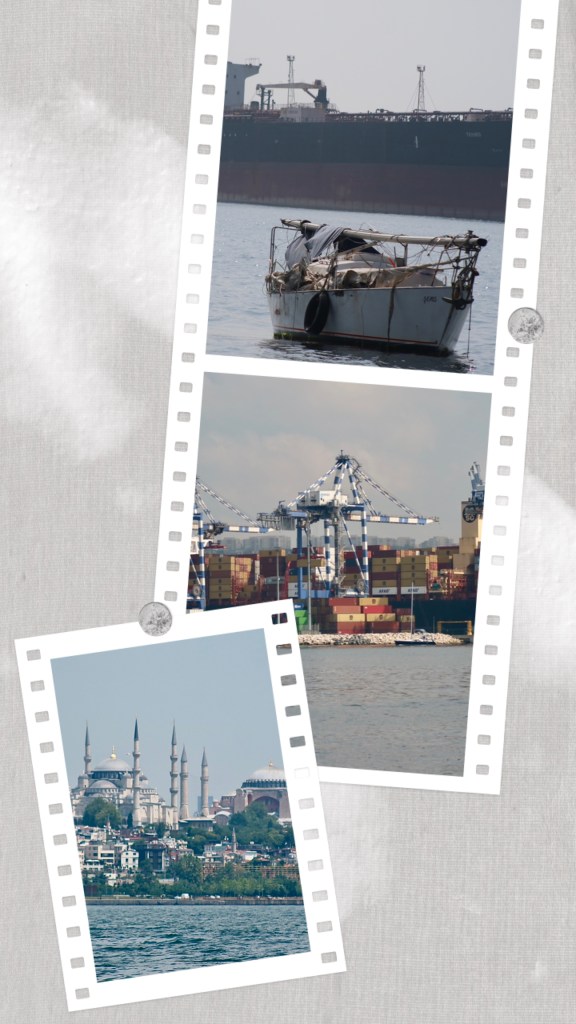
The last leg of this amazing trip saw us cruising past some of the largest and busiest dockyards in the world including weaving our way through hundreds of anchored cargo ships waiting their turn to dock. At one time we saw 284 targets being tracked on our navigation system. Some ships appeared very tired and used, and at times it felt like a ships’ graveyard. Finally, we crossed the Bosphorus Strait shipping lanes and tied up at the marina that is our home while we explore beautiful and exotic Istanbul. I’II write reams about Istanbul in the days to come.

The view on the way into Istanbul
1. Initially we thought this floating junk was abandoned. As we were just heading down to radio the officials to alert them of the potential dangers a weathered hand appeared above the deck to straighten the tarp. A ship-shape boat is after all next to godliness.
2. If you look close enough you’ll see a sailboat much the same size as Longo “hiding” in plain sight in front of the behemoth docks and ship.
3. Our first glimpse of old Istanbul (not Constantinople).

We’ll be returning to the Sea of Marmara and the Dardanelles in a week or so. This time however the current and winds (hopefully) will be with us, so we will take the opportunity to stop along the way and explore the history more. Those posts will be all about the history.

Until next time fair winds and a dearth of sea monsters on your journey ahead. (Odd how appropriate this blessing has become.)

Gulets – the modern day (touristy) pirates

Hello, welcome, come aboard. It’s lovely to be back out on the deep blue wobbly! While we are waiting for Summer temperatures to hit we are enjoying the cool breezes and cooler evenings. In the last week or so we’ve visited some amazing ancient ruins and lovely anchorages, some of which will feature in up coming blogs. For a change of pace, I thought I’d tell you a bit about the gulets that are a feature in the coastal waters of Türkiye. Gulets are wooden sailboats, or pretend sailboats, which are used for tour and charters (often with a full crew). For sailors and cruisers, such as ourselves, gulets are the bane of our existence and rivalled only by the pretend square rigged party boats. They overrun the best anchorages, often with an astonishing lack of good manners, play loud doof-doof music until all hours and generally run rampant over everyone else.

Gulet captains are very territorial of their preferred anchorages. It’s difficult to pick what might be a gulet anchorage, except to say if the bay is particularly beautiful or has an interesting feature (ruins etc) you can bet your last dollar there’ll be gulets. In short anything and everything we are keen on seeing, too!

We once had a gulet captain yell at us to move our lines so he could squeeze in alongside us. It was a very tight anchorage, with realistically only room for one gulet or maybe two smaller boats. Ian and the gulet captain “politely” discussed the options. Ian informed the other captain that as we were there first the gulet would need to find another spot. The gulet captain would not be put off eventually ignoring us he overlapped our shore line with little regard for how close his gulet was to our boat. The gulet which had good 10ft on our 50ft, was close enough that I can tell you the passengers on board had a lovely grilled fish and salad for their dinner followed by strawberry sponge. I believe the white wine was Italian, which is unusual in Türkiye as imported wine is hideously expensive. Thankfully, the passengers were older so we didn’t have the doof-doof music until all hours, which is an added bonus when you are anchored in a beautiful secluded natural bay.

I get it, it’s their livelihoods and reputations at stake. Their clientele have every right to the same touristic experience us and for the most part we all share nicely. However incidents such as the one I mentioned are not uncommon. I recently read about some poor sod whose anchor became snared on a gulet chain, easy done as the gulets often lay a hundred metres on chain. Anyway the poor sod had their anchor cut off with an angle grinder. The gulet crew was kind enough to return the now detached anchor to its owner, who I can only imagine was drifting away to shores unknown!

To be fair, they are not all like this. We had one gulet, gamely try several times to berth his boat in a town port with very tight quarters without a peep or sign of frustration. In the end we moved to give him room and he was very grateful.

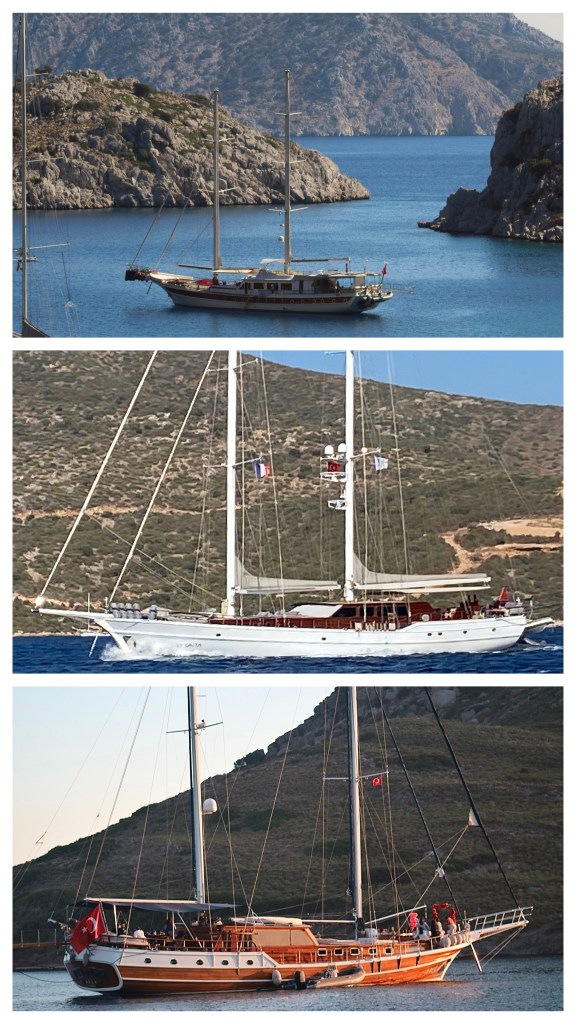
Notwithstanding the joys of sharing the seas with these cut throat captains, the gulets themselves can be very beautiful. They’re two or three masted wooden vessels which are rarely rigged for sailing and they are synonymous with this region.

They really are quite pretty when they’re in the distance! We’ve seen just about every colour gulet you can imagine. I like the “au naturale” look best. You’ll notice of these three only the white boat is rigged for sailing.

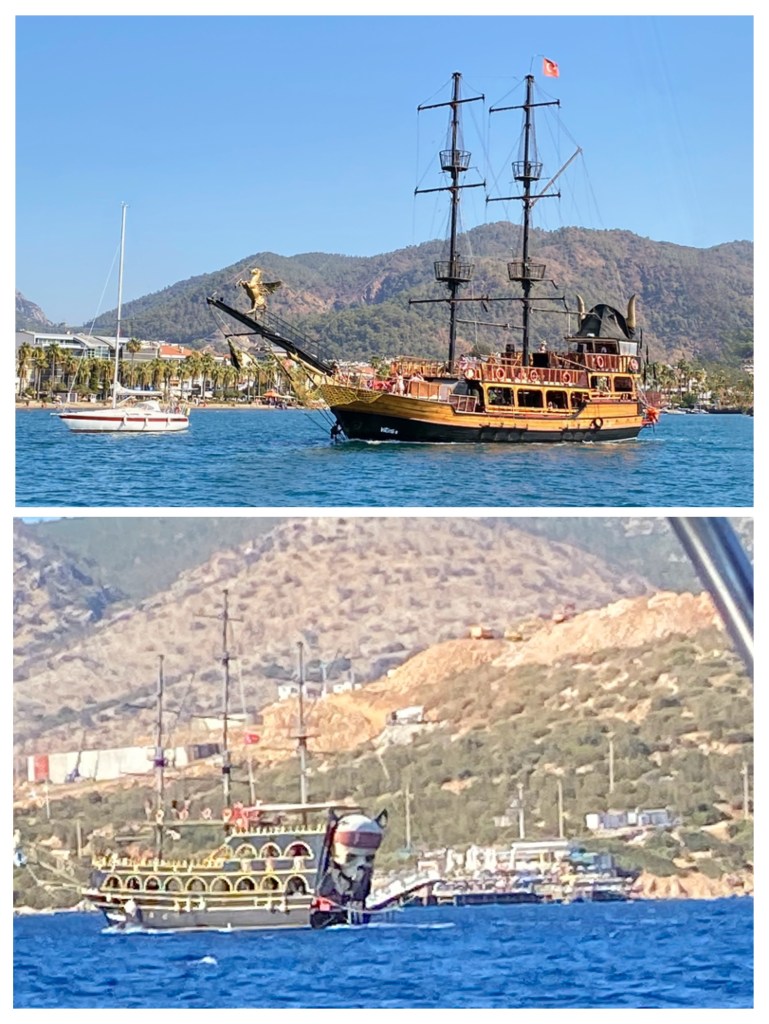
Of course, there are others that have garishly fitted out to look like pirate vessels. “Pirates of the Caribbean” has a lot to answer for! Many of the Turkish gulets are built in or around Marmaris and Bodrum. Ian and I had the pleasure of visiting the Maritime museum in Bodrum which helped to shed some light on the history of these boats.

There are a few where you walk between the legs of Captain Jack or through Davy Jones’s mouth! A couple that we’ve seen have bubble baths on deck and there’s always loud musics, which is just a likely to be ABBA, Queen or Turkish pop music. Thankfully these boats don’t normally hang around after dark.

Bodrum is located where the Mediterranean meets Aegean Seas. It’s a busy harbour with ferries, gulets, yachts, motorboats, fishermen and even rowers sharing the water and all this is overlooked by a stunning castle (more on this in another blog). There are numerous shipwrecks in the area dating back as far as 14 BCE, attesting to the region’s rich maritime past, including a pirate or too. As stated at the Maritime Museum:

According to the ancient historians, the Leleges, who are currently accepted as the first inhabitants of the area, were engaged in piracy. Since there cannot be a pirate without a boat, one needs to accept that the marine culture of the area goes back at least three thousand years.

So with the risk of stating the obvious, boats have been a bit of a thing here since forever.

Here’s an interesting tidbit, there is written evidence of two female admirals: Queen Artemisia I of Halicarnassos (5th century BC), who commanded five ships at the Salamis sea battle between the Greeks and the Persians. The family tradition continued Artemisia II (4th century BC), a distant decedent, who defeated the Rhodians in the harbor of Halicarnassos and went onto conquer Rhodes. The King said of the victory

… my women have become men and my men have become women.

This region also has a rich Byzantium history which I’ll also write more about later but there would almost certainly have been some ships and boats floating about, though not much is known about their importance at that time. In fact, boat building in Bodrum didn’t appear in historical records until the Ottoman period (18ᵗʰ Century) when Sultan Selim III (1789-1807) led the reformation of the Ottoman Navy and provincial imperial boatyards, such as Bodrum, came into their own. These Ottoman galleons were 50 metre long wooden vessels propelled by oars and sails. Working at these boatyards would have been back breaking, sweat inducing and potentially lethal. Not the least because boat building in those days was dangerous. Records show that Captain Pasha during a Mediterranean voyage discovered numerous faults with his new Bodrum built ships. On returning to port he had the Bodrum harbor master and the mast builder hanged “in accordance with the new boatyard arrangements.” Now that’s a work clause many of us might like to include in contracts with various marine, car and home tradies.

When Ottoman Empire’s internal troubles steered the Sultans’ focus away from the sea. Even though there was a large sponge diving and fishing industry in the region, there is little evidence that the boat building at Bodrum extended beyond these naval ships to include fishing or merchant vessels. Instead the Bodrum region returned to agriculture and animal husbandry as its main source of income.

It wasn’t until a century later with the introduction of Muslim refugees from Crete in the early 1900’s that boat building returned to Bodrum. These refugees brought their seafaring, transportation and fishing heritage with them and they pioneered the development of boat building particularly boats used for sponge diving. This eventually lead to the transformation of Bodrum into the gulet building central it is today.

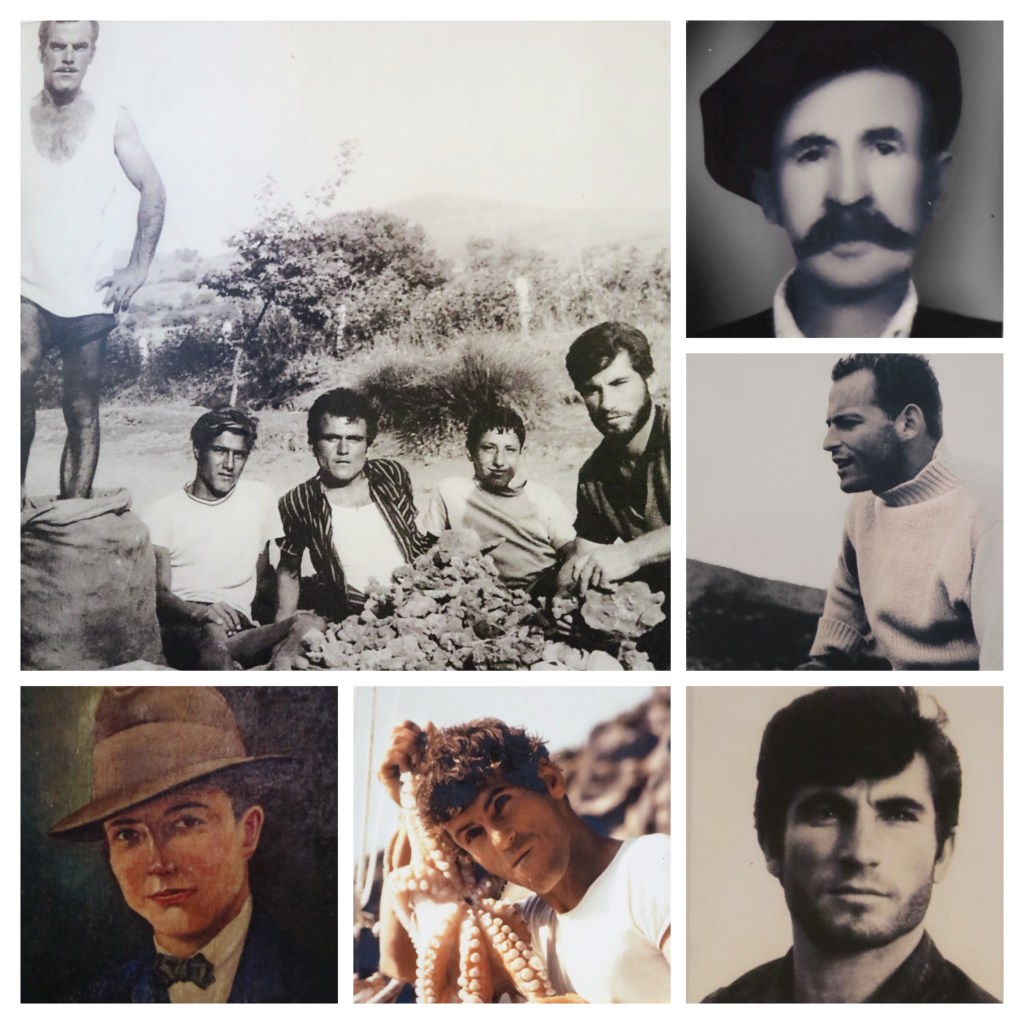
Some of the local fisherman throughout the ages. I especially like the guy with the direct line to Poseidon – must be a gripping conversation!

The design origin of the gulets, themselves, is controversial. Some say they are the offspring of the sponge and trawler fishing boats of the region. Others argue their forefathers were the French, Italian or Spanish fishing vessels called guletta (french), perhaps the design was brought by the Crete refugees. Others suggest that its origins hark back to the American gullet used in the Greenland banks, or the clippers carrying goods from India or Australia to England during the colonial era. Notably, all these boats are designed using techniques and materials that find their origins in medieval boat building such as that undertaken in Bodrum centuries ago.

The transition of the fishing and sponge diving gulets to the beautiful yet bothersome tourist attractions that annoy us with their loud music and pushy captains began in 70s when the local sponge populations in took a dive and some entrepreneurial type added cabins and other luxuries in order to lure tourists dollars.

Gulets always look special with their fairy lights light up!

Fair winds and a dearth of sea monsters and pesky gulets for your week to come.

Kayaköy – Modern Day Ghost Town

Hello, welcome come aboard. This post is the longest I’ve written. I had a lot to say and while I have tried to keep my thoughts brief, WordPress tells me you’ll need a cuppa and snack or given this is not my usual light reading perhaps a nice single malt whiskey. If you’re only interested in pretty pictures of ruins, I suggest you stop reading at the *. If you would like to know why the ruins exist, read on however I warn you there’s politics, war and even a little literary license (not mine for a change)

Recently we had the opportunity to revisit the lovely town of Fethiye. During our last visit we explored the Old Town and had fun playing “Indiana Jones” at the Lycian rock tombs. This time we decided to visit a very special place nearby that I had heard about from some friends. I’m usually the first to line up for any historical site. I love ruins. I love museums. I revel in tales of old and these places are remnants of stories. Stories of people’s lives, their hopes, their loves, their chores, and hardships. However, this town, now known as Kayaköy, is a sad place. Its ancient history is overshadowed by great hardship and tragedy in more modern times.

Kayaköy was once known as Carmylessus. It’s just 8 short km over rugged hills from Fethiye and about the same distance again to Gemlier Adsi (St Nick’s Island) on the coast. The region was inhabited for centuries, reaching the lofty heights as a Christian bishopric during the Byzantine Emperor Heraclius (640 CE). There’s evidence to show the St Nick Island inhabitants (Christian monks) would flee to Lebessos in time of pirate attacks. The town thrived well into the 20th century, however it is now a ghost town.

When I mentioned to Ian that I wanted to visit Kayaköy by bus he was ambivalent, that is, until I explained it was a “modern” ghost town. Intrigued he agreed and we set out on a bus that reminded me of an All-American yellow school bus, only white and a third the size. Unfortunately, in an effort to accommodate as many people as possible legroom was non-existent. Our cunning plan to be the cool kids at the back of the bus was soon foiled as we were forced into a corner seat. With my knees around my ears, I looked at Ian laughing at me and asked, “if he was mocking me for my choice of bus.” Thankfully the trip wasn’t too long and we were treated to a view of the suburbia behind Fethiye and the forested hills along the way.

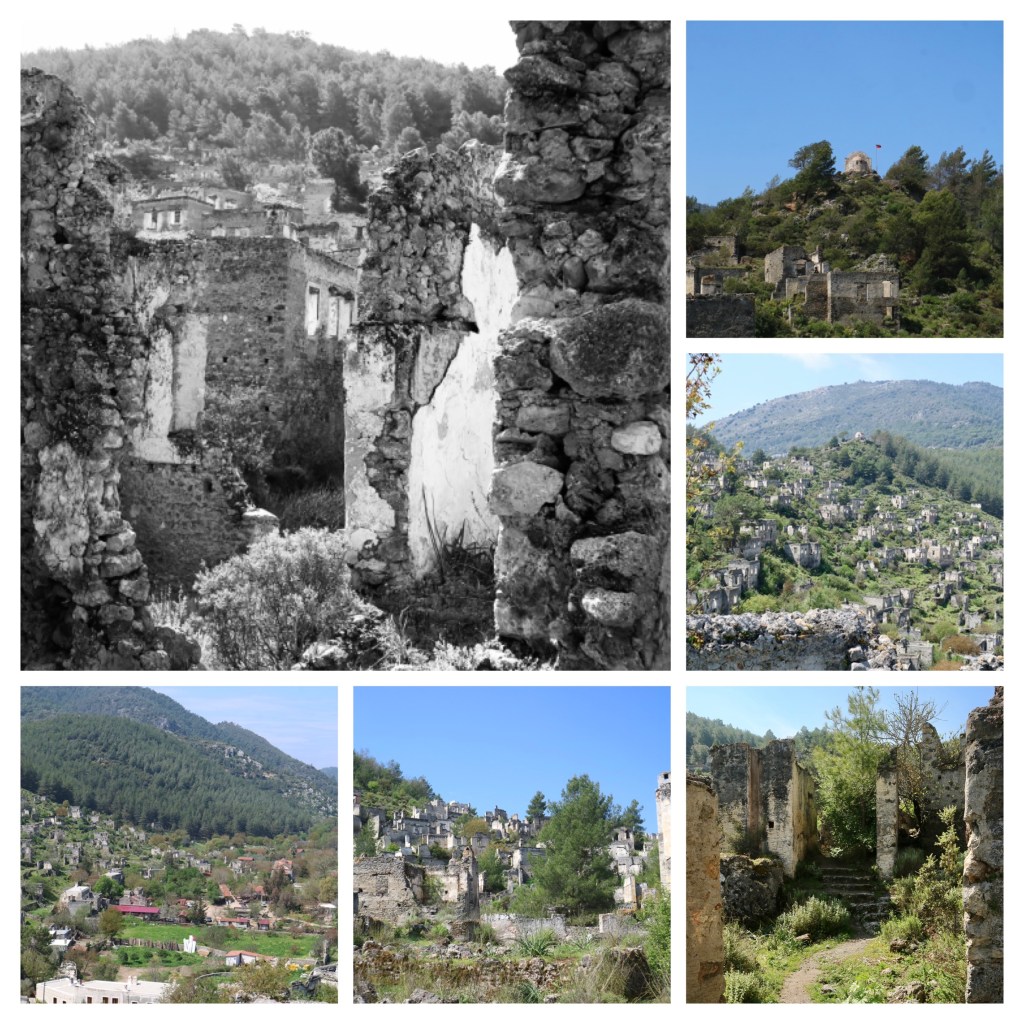
On our arrival we discovered Kayaköy that was once home to around 10,000 people is/was a town of contrasts. To the left of the main road there’s a craggy hillside. The ruins of two and three storey stone houses and buildings cling to the slope. The houses, and their underground cisterns, are all open to the elements. Nestled among the houses there are two schools, a municipality building, fourteen chapels and two churches. The most prominent chapel sits at the apex of the hill. It’s single room is tiny, room for perhaps six people, it has two postcard windows. One open seaward, the other behind the alter overlooking the town. The churches are bigger and grander, the other chapels would be difficult to recognise if not for the signs. At one time there would have been an ossuary behind the largest of the churches. These too are reminiscent of much old ruins; no doors or windows remain, roofs gone and walls tumbling down. Trees and shrubs reclaiming the environment. The town also suffered greatly when an earthquake shook the area in 1957.

Kayaköy ruins

The thoroughfares through the town are stoney tracks and stepped paths. There’s only room for man and beast, no space for wagons or cars.

Even in Spring the hillside reminds me of the Australian outback, shades of muted greens and brown, with only scraps of the colour and vibrancy I’ve come to expect from a Turkish Spring. Nature is winning. (funny thing, when I returned to select photos for this blog, I discovered that the township was a riot of Spring colour and not nearly as muted as I remember. I think my great sadness for this town overshadowed the vibrancy of memories).

Below the hillside, the valley is green and lush. The soil is rich and consequently much is given over to farming. There are wooden and brick houses there too. Though these show signs of inhabitants, atelliste dishes, washing airing in the breeze, the enviable cats and dogs. These homes skirt the flat land so there is no boundary between the town on the hill and the farms except the restaurants and tourist stalls along the main road. Here we found the first of the mosques sitting squat and imposing.

*Until recently (early 1900s) the hillside was populated mostly by Greek Christians and the valley by Turkish Muslims. There was also a thriving though small Armenian quarter. The Greeks, on their hill, were largely “middle class”, shop owners, government official, artisans, and the like. Their children attend the Greek school, learning to read and write, mathematics and science. The Turks, in the valley, were farmers, though there would have been a Turkish landowner, much like an Englishman nobleman who owned all the land. Their kids went to the mosques for their learnings. It’s unlikely they would have learned the three “r’s” instead focussing on the learning the Koran and teachings of Mohamed.

There were certainly similarities and crossovers. The religious men of both denominations would have been influential, the women probably more so in the day to day lives of the town. Turkish was spoken but written using the Greek alphabet.

A very heavily romanticised version of this village life was written by Louis de Bernières, of”Captain Corelli’s Mandolin” fame, called “Birds without Wings” (April 2004). This is a story of a town called Eskibahçe, which the author acknowledges is based on Kayaköy (and other towns that suffered the same fate), and tells of the last few years of the town as a focal point for the broader historical event that began with the decline of the Ottoman Empire in the late 18ᵗʰ Century and ended with the birth of modern Türkiye in 1923.

This is not a happy time in the world generally and in this region particularly. Within the Ottoman Empire, factions pushed for modernisation and the abolition of the Sultanate in favour of a democratic nation. During this turmoil, World War I breaks out, and the Ottomans ally themselves to the Germans. Most of us know of the Allied campaign at Cannakale (Gallipoli). The book gives an admirable account of this battle/s from the point of view of the Turks. De Bernières is graphic is his description of the appalling conditions that the soldiers, Allied and Turks alike, faced. While the war rages on, elements of Ottoman government attempt to further the Republican agenda. After the war much of Ottoman Empire was partitioned and so began the British, Italian and French occupation (1918-1922). This period overlapped the Turkish War of Independence (1917-1923). The Armitistice of Mindanya signed an 11 October 1922 and the Treaty of Lausanne signed on 24 July 1923 officially settled these conflicts. As part of the settlement negotiations, Greece and the newly formed Grand National Assembly of Turkey lead by Mustafa Kemal Atatürk) agreed to an amnesty for war crimes committed and made arrangements for the exchange of citizens that happened to live on the wrong side of the border.

Throughout this period of unrest, the Turks committed atrocities against the Greeks, Armenians, Syrian and Allied prisoners of war. The Greeks were given the opportunity to leave Turkey, voluntarily. Those that refused to leave willingly where forcibly removed through death marches; being permitted to take only those possessions they could carry and these were often “confiscated” by the soldiers. Those that still resisted were put to death. The Greeks reciprocated against the Turks and had a good go at the Armenians, as well. When researching I found plenty on the Greek and Armenian Genocide committed by the Turks. These, and the book, describe unspeakable cruelty and wanton bloodshed. Notably, I could find little on the atrocities the Greek inflicted on the Turkish people at this time. The one solid fact that everyone agrees on is that the victims were mostly innocent women and children left behind when the men went out to fight for their cause.

The triple contagions of nationalism, utopianism and religious absolutism effervesce together into an acid that corrodes the moral metal of a race, and it shamelessly and even proudly performs deeds that it would deem vile if they were done by any other.

Louis de Bernières, Birds with Wings, p324 (eBook version), April 2004

So, it is easy to believe that Kayaköy and others like must have been strife with unrest, civil disobedience and hate crime. Yet the book, which is based on oral accounts of those that lived in the region at the time or grew up with the stories of their elders, tells a different story. Eskibahçe was peaceful, there was no overt segregation (though the Armenians were generally disliked), except in religion. The women folk were friends, the kids played together, and the men played backgammon in the town square. There is a thread throughout the book regarding the gendarme’s prowess at the game, having all the time in the world to build their skills. There are snide comments behind closed doors and few good-natured snips, much along the lines as you would hear from rival football team fanatics among the town folk. Yet, the Muslim women are not above asking their Christian friends to leave offerings to the Virgin Mary Panagia Glykophilousa. The Imam gives a blessing to a Christian baby. The Christian men seek advice from the Imam. Even the Greek schoolteacher who is overtly pro-Greek is for the most part humoured. The town folk share a mutual undertone of rural mysticism and folklore.

When the soldiers finally come to take the Greeks away, the Eskibahçe, the Turks provide aid to their neighbour, they agree to care for their homes and belongings and some Turks make the journey to the port to ensure their friends are not hurt along the way. The book briefly tells of the arrival of the Greek Muslims and the distress of everyone involved in the exchange process, this is soothed eventually as acceptance of the people overshadows the method of their arrival. As the resettled people were unable to take their wealth with them many lived out the rest of their lives in poverty or near poverty. Most of Greek Muslim were farmers, like their Turkish counterparts. The lose of much of the Greek middle class in rural areas has held Turkey back. The Christian Turks were ridiculed and shunned in Greece. Many would have found it difficult regrow their prosperous businesses in their new homes.

Finding Turkish historical records and accounts of rural life (and the genocides that occurred) was hard. This is why I relied so heavily on Birds Without Wings. I’ve read a couple of reasons for this lack of written history, all are to have contributed. The Ottoman Empire was largely Muslim and did not believe written records of daily life were meaningful and importantly this is the period in which Mustafa Kemal Atatürk rose to power. He is revered here in Turkey as a modern man, great military leader and a benevolent leader. Atatürk literally means Father of Turks. He strongly believed government should be non-secular, democratic and looking towards the future not the past. Here the focus on Atatürk’s advancements: he was pro-suffrage, believed in non-secular education for all (including women) and wanted his country to be an active participant on the world stage. He also banned the fez and turban, making it mandatory for all men to wear western style hats in public places. This is known as the Hat Revolution. The Turks have written their own history, after all they were the victors.

I didn’t read Birds Without Wings, until after our visit to Kayaköy. I knew some of the modern history of Turkey and its impact on villages such as this one. And to say that I was ambivalent, bordering on reluctant to walk the streets of this ghost town, would be an understatement. This may seem contrary, but my love of history is largely restricted to ancient history. To times and places where I can tread without fear of seeing the futility of our modern world or find yet more evidence of our persistence in acting on our differences rather than embracing our sameness. However, having been in Turkey for eight months, I wanted to further understand this wonderful country. To do that, I need to know this awful history, so I can understand the people I meet. Frankly, as a result of this excursion into modern history, I’m even more surprised at how welcoming the Turks are given that just over 100 or so years ago, Australians were part of an invading force that attempted to tell them how their country should be run. At least that is how it must have surely seemed to the grandparents of the elderly folk that we pass every day on the streets and laneways here in Turkey.

I promise I will return to lighter and more ancient topics in coming posts. In the meantime, fair winds and an dearth of sea monsters for you and your loved ones.

Lithium Be Light

Hello, welcome, come aboard! This instalment of Sailing Longo Maï comes from the pen of the El Capitan and Wizard of All Things Technical: Ian. (Italicised notes are from Malia because she can’t help herself):

We’ve had a bit of a geek out on our electrical system. Please don’t read any further unless you’re into boat electrical and /or geek stuff. (I think it’s a good read for anyone. Unfortunately, I now know so much geek stuff that I am questioning the evolutionary pathway from luddite to geek and whether it’s possible to voluntarily regress.)

We had a 580ah house battery system which should have been ample for our needs. However, we were finding that if we sailed through the night (no solar or engine charging) in rough weather and the autopilot was working hard we were excessively draining the system. At times we had to turn the fridges off to conserve power. So, the situation needed to be fixed. (Ian has called the autopilot – Brittany Steers. And no one likes warm G&Ts hence the original necessity to remedy the situation.)

Based on observations of our current system 600ah of lithium batteries should be an OK solution. The advantage of lithium is you can discharge them to 10-20% whereas you should only use about 50% from a conventional battery. Then we had a few beers and decided 800ah would be better. No one ever complains about having too much power. (I didn’t have beers? When were beers had? Were these beers with your salty sailor buddies? Why wasn’t I invited? – mind you I don’t even like beer but it would have been nice to be asked to the lithium party.) (It was man business!)

After 10 minutes on the interweb it became apparent that the change to lithium is a bit more complicated than just dropping in new batteries. So, before I got started, I figured it was worthwhile taking a good look at the current system. It should be in pretty good shape since we had a ‘full’ survey by a licensed surveyor prior to purchase. After about another 30min on the interweb I felt a suitable level of expertise to audit our system.

Well. The more I looked the more I found wrong or at least suboptimal with our system:

The battery bank contained different size batteries (nope) which were parallel wired through one battery (nope). This means the first battery takes most of the load and ages prematurely. This then drags the whole system down. It is probably the main reason why we had under floor heating and such poor overall system performance. (As is always the way one poor sod does all the work and when they are worn down by the load the whole system fails! Sounds like every workplace I know.)

There were also no covers on battery terminals (nope) and no fuses (whole lot of nope). There’s a lot of energy in this system and this represents a serious safety issue.  (If you accidentally stepped on the suckers, we’re talking not just an unintentional perm but the smell of roasting meat)

The batteries weren’t secured (nope). The boat tends to move around a bit and having the batteries secured is the industry standard.

The cabling couldn’t have been any worse (again a whole lot of nope here). Open ended cable lugs were used instead of closed ones which prevent moisture ingress. The lugs were hammer crimped instead of hex crimped. Insulation tape was used to seal some of the lugs and where proper heat shrink was in place it wasn’t heat shrunken. The cables were mismatched and inadequate for the amperage and length. Also, automotive cables were used instead of tinned marine cable which is not the end of the world but they’re not going to last very well. Put all this together and it explains why there was evidence of corrosion inside the cabling.

I’m taking this as bit of a lesson on paying ‘experts’ to do work on your boat, or at any time really. The previous owner would have paid full retail prices at Port Corbières, France, for a self-proclaimed expert to install a battery system. What he received was something the work experience kid could have done a better job after five minutes on google. It’s almost like every opportunity to cut corners and do the wrong thing has been leapt upon with wanton glee. Good thing we paid a professional surveyor look at the boat before we bought it!

The lithium system batteries are individually fused and connected to a busbar using equal length cables. The busbar is then protected by a class “T” fuse. It’s charged by 2 Victron Smart Solar Controllers and a Victron DC-DC Converter which enables charging from the main engine without overloading the alternator. We also installed a Victron Shunt, which measures the capacity of the system and how much power we’re using. (Two things – Firstly the class “T” fuse is thus called because if ever it blows, we will be saying “Thank God (and Ian) for that Thing. Lastly – All the nifty Victron devices are blue toothed so Ian doesn’t have to guess or open up the bilge to see what is happening, so that’s nifty!)

Now that we have the new system installed, we can tell how much power we have and how much we’re using. I think we’ve overachieved a little and now need to find more appliances to justify the cost of the installation. (Happily, this means we can use our fan at night. Ian wants sensible things like a microwave, but Janie R has taught me they are the devil’s appliance and I no longer see the need. I’m getting me a hairdryer and a hair straightener and air-conditioning and if I can find the space maybe I can convince Ian to buy a coffee machine?)

Here’s some before and after shots our batteries:

Finally, because I like to have the last word and because I need to say out loud just how wonderful Ian is and how hard he has worked on this and the many other projects he has completed over the last few months. Ian knew almost nothing about batteries and wiring until a little while ago. Between the interweb and many conversations with fellow salty sailors (special shout out to Phil E and Steve N), he has gone from novice to expert in a very short time. In doing so he has saved us money, improved our quality of life, and most importantly saved our lives (the last system was a disaster waiting to happen). He is now paying forward the learning by helping others looking at doing the same thing. While undertaking this project he has also project managed and/or completed the other work that needed to be done on Longo. Much of the time battling the language barrier; he has become the master of interpretive dance and technical drawing. On top of all this he has made sure I have been gainfully employed in projects big and small; increasing my knowledge and usefulness as crew. He’s also put up with my occasional whine about not being “out there”. So, I cannot express just how much I love this man and how grateful I am for his commitment, patience and willingness to learn. He is an example to me and all that meet him. However, he is a god to the tortoises, only.

The birth of an ancient sport: Yağli Güreş

Hello, welcome come aboard. We’ve been busy this week, preparing to head up to Bodrum to pick up our friends, Charlie and Megan. Bodrum is 167 nm away, Longo Mai has a conservative average speed of 5 or 6 knots thats between 27-33 hours of sailing. Unfortunately it’s not as simple as planning a car trip. The weather and safe anchorages play a large part in planning. We can’t leave Finike until after Thursday (06 Apr) and we need to be Bodrum Friday of the following week. Unfortunately the weather is finicky this time of year and while we have a day and a half of promised tailwind, it isn’t enough to get us all the way to Bodrum.

Especially as the following day’s forecast is predicting a head wind with gusts up to 30 knots. Over the last week the forecast has changed daily, and our plans have changed accordingly. Ian’s career was reliant on these environmental forces and his as relaxed as a Turkish dog resting in the middle of the road. (Trust me these dogs own the world and even the biggest trucks will swerve or stop and let them move in their good time.) He tells me if you plan early you’ll plan often. But he now takes it to the next level and is quite happy to wing it on the day. I’m not so lucky, its never been in my nature to be relaxed when there’s a deadline looming and I think it’s fair to say I’ve been a bit of a pork chop about it all. Thankfully Ian also weathers my moods well. Our friends are incredibly understanding and are now meeting us in the lovely town of Göcek. This is easily achievable for us and shouldn’t put too much of a dampener on our plans for their visit.

In the meantime we’ve also been taking advantage of the sunny day to mend the gel coat. This is a delicate grubby job with the sticky gel coat goop setting (going off) very quickly. The less excess goop the less sanding. Being new to this, Ian and I have a bit of sanding to do over the coming week.

We plan to leave Saturday and one of the last tasks will be to visit the Finike market in the morning before we leave. Just as it was in Brisbane, going to the market is a highlight of our week. There’s a restaurant on the way that makes a pretty good Menemen, which is like Shatsuka or Spanish eggs except the eggs are mixed in. Turkiye is predominantly Muslim country (officially non-secular) and as Finike is a conservative agricultural town, there’s no bacon or chorizo but the Menemen is always spicy and the ingredients are farm fresh making the flavours rich and flavoursome. The coffee is passable and my caffeine snobbery has been softened by necessity and now I’m just grateful its hot and passably drinkable.

After breakfast, we head down to the markets. Changing the route of our walk often; feeling like locals as we navigate the back streets. Next to the markets there’s a primary school and sports arena. Even on Saturday mornings there is the merry laughter and rambunctious shenanigans of kids at play during recess. Last Saturday we were lucky enough to see Yağli Güreş being practised at the sports arena.

Yağli Güreş is a popular sport in Turkiye. As a spectator’s sport its quite appealing. The wrestlers wear short leather trousers called “Kispet”, made of leather. The Kispet of adult wrestlers weigh a whooping 13 kilos. The only accessory the wrestlers, or pehlivan, team with their Kispet is a liberal dousing of olive oil. I guess there’s no surprise in me now telling you Yağli Güreş is known as oil wrestling.

The objective of oil wrestling, is not break your opponent but to to disable him. Therefore, unlike other wrestling sports the pehlivan can win by putting his hands down the other wrestler’s kispet and grasping the lower end of the pant’s leg and thereby prevent him from attacking. Yağli Güreş is serious business here in Turkiye with the National Champion winning 100,000USD, sponsorship and a very impressive gold belt.

The history of Yağli Güreş is as rich as you would expect given it dates back to 1000 BCE in Persia. The current rules date back to the Parthian Empire (238 BCE – 224 CE) and there is a strong tie to religion with the sport being conducted during Spring festivals. However, it didn’t become a sport in its own right until the reign of second Ottoman Sultan Orhan Gazi (1281-1362). Originally the matches could go on for days until someone won or died of exhaustion. It wasn’t until 1975 when someone with a little bit of common sense introduced a time limit.

This all very fascinating and impressive however I can’t help thinking how this wonderful sport really started. Maybe something like this.…

A troop of seasoned soldiers sit around a camp fire during a Spring Festival in some ancient city or other. They’re laughing and drinking as they boast about this battle or that fight. There’s a little more drinking and the crusty old veterans tease the junior soldiers about their lack of experience with their manly weapon. They all drink some more.

The camaraderie is high and spirits are flowing and everyone is happy until a procession of virginal maidens glide by, their hands in prayer and eyes cast down demurely. Their white shifts fluttering in the evening breeze, occasionally giving tantalising hints of the shapes beneath.

As the soldiers all quietened to watch the procession pass, Darius and Bahar, two of the younger fighters try to impress the ladies. Their mates egg them on as they all keep drinking. Their taunts and catcalls are sufficiently loud enough that the last virgin pauses and looks up with innocent doe eyes and blushes.

Darius and Bahar decide a wrestling match will prove their masculinity and prowess to this willowy maiden; ensuring her heart and more importantly her body is given freely and wantonly to the victor. So turning to their buddies, the two soldiers say “here hold our drinks” before throwing themselves at each other.

Their inebriation loosens their skills while heightening their emotions and soon the wrestlers forget the triviality of their purpose and begin to battle in earnest. Laughs become growling sneers. Curses become threats as a crowd grows around them. Their comrades and other spectators begin to wager on the outcome as more spirits flow lubricating the cheers and jeers.

Anoush, their wisened and grizzled sergeant, sitting at the next camp fire see ing the potential for a disastrous outcome, grabs a nearby jug and strides over to dump it’s contents over the two wrestling men. Except, alas, the jug isn’t full of water but olive oil. Slipping and sliding and unable to get a purchase on each other Darius and Bahar stop, gasping and spitting oil. Their surprise turns to humour and they begin laughing again.

Just as it looks like they’re about to clasp forearms and put aside their differences, someone in the crowd shouts out that Darius was the winner and he wants his bet paid out. Across the way there is a retort that Bahar was the winner “as any blind man can see”. Anoush, Darius and Bahar watch the mood of the crowd turn ugly. Anoush realising this could turn even nastier with the outcome worse than just the wrestlers getting mean and hurting each other, thinks quick and turns to Darius and Bahar and with a shrug, nods for them to continue.

The men struggle for a while as they figure out just how they’re going to win if they can’t get a good grasp. The crowd mood lightens as the fighters fumble along. Eventually, Bahar puts his hand down Darius’s pants grabbing the leg end and lifts him off the ground to dump him unceremoniously into a nearby pond. Anoush declares Darius the winner to the raucous laughter of the crowd. All threats and curses are forgotten as bets are paid out. Finally everyone toasts the wrestlers and plies them with more drink. There you have it Yağli Güreş is born!

Sometime later, Darius remembers the lovely maiden who had unwittingly incited the spectacle. He looks around thinking he’s in with a good chance. However she and her sisters have moved on (becoming bored long before Anoush intervened with the olive oil). Later Darius learns the maidens went on to the chieftain’s tent; which of course, is where all the money and power lies.

Fair winds and a dearth of sea monsters for your week ahead.

(Thanks to: Wikipedia, All about Türkiye, and A Sports with Religious Rituals from Hıdırellez Cult: “ Kırkpınar Oil Wrestling)

PS: I asked Ian what to call this weeks’s post and he suggested: “Lubed Up and Ready for Fun” or “it’s not romantic unless your eyes meet” (and that second one I’ve had to wave the politically correctness wand over) That’ll teach me for trying to include him in the creative process!

Jobs Done: Time for Feasts and Skydiving Spelunkers!

It’s that time of the season when everyone is working on their plans for Summer season. Boat jobs and projects are being finalised with a feverish anticipation of fair winds and warm waters. Ian, with a little help from me, has achieved so much this Winter that our boat now feels even more like home. A big part of this is the new canvas work which converts our cockpit into a cosy sunroom in Winter and a welcome shady respite from the sun in Summer.

Another major upgrade is our new tender (or dinghy). This is an essential bit of kit that impacts everything from mundane tasks, like provisioning to exploring adventures. Our old tender, which I affectionally named Baby Boat, was a little under-powered with only a 5hp engine. It was just too slow and not suitable for more than short trips to shore. It was also a bit too small, having just enough room for us and few shopping bags. Now that we haven’t yet sunk our boat and have somewhat proven our sailing skills we have plenty of friends and family planning visits. And, Baby Boat definitely isn’t up to the job.

Ian was able to source a new tender in Istanbul and could have it delivered but we had to wait 3 months. We couldn’t find the engine we wanted anywhere in Turkey. We talked to Customs about importing it but their advice was ‘get in your boat take it to Greece, bring it back and don’t say anything’. Which is exactly what we did. We had one delivered from Athens to the tiny Greek Island of Kostellorizo where we picked it up.

Our new tender is bigger (Highfields 310) and has a whopping 20hp outboard. We thought 10hp would be OK but 15hp would be better and only a few more kg. But then, the 20hp weighed the same as the 15hp and no one has ever complained about having too much power. From my perspective the best thing about the outboard is the electric start. I had an annoying habit of letting go of the string thingy on Baby Boat’s outboard which would result in bruises in lady places. Anyway, we’ve been running the new engine in at ½ throttle. Even then it’s still quite quick and I got little bit of a fright thinking about how fast our new toy will be able to go at full speed. For ‘safety’ Ian added foot holds to the floor for those “just in case” moments when the wind in our hair becomes a battering ram trying to push us out of the boat! They’ve since been tested and Ian has confirmed it’s possible to get air in the dinghy (he hasn’t had the prop out of the water, yet!).

Given the engine size and how far we can now travel from Longo Maï we decided to register our dinghy. This is just in case the pesky Coast Guard pulls us up as the dinghy is, in all fairness, well beyond the limits of the  definition of a ‘tender’. When registering or naming tenders, it’s not uncommon for them to be called something simple like “tender to Longo Maï” however Ian left naming ours up to me. Consequently our new tender is Internationally registered as “Grand Petit Bateau” (or Big Baby Boat). Photos to follow in upcoming posts.

Now that all these jobs have been done the only job remaining is the last minute ‘minor’ task of upgrading to lithium batteries. So Ian is now looking towards next Winter’s project list while we’re also preparing for our first visitors, Megs and Charlie, who arrive on 15 April. We’ll be sailing up to Bodrum to collect them and then spending a couple of weeks cruising along the coast to Göcek. We can’t wait to share this wonderful adventure with them.  

Since we can’t start our journey up to Bodrum until we visit our dentist next week we are filling in our days as best we can.  Ian has taken to improving his cooking skills with a monstrous roast lamb feast for twelve. He then doubled down on this with a smoked brisket extravaganza. Both were cooked using ‘old school’ charcoal inside a 44gal drum heater. Some said it couldn’t be done; well, Ian learned from the masters. For years good friends of ours, Charlie and Rowie, slaved for hours making delicious smoked meals all the while thinking Ian was just drinking all their booze. Turns out he could multi-task.

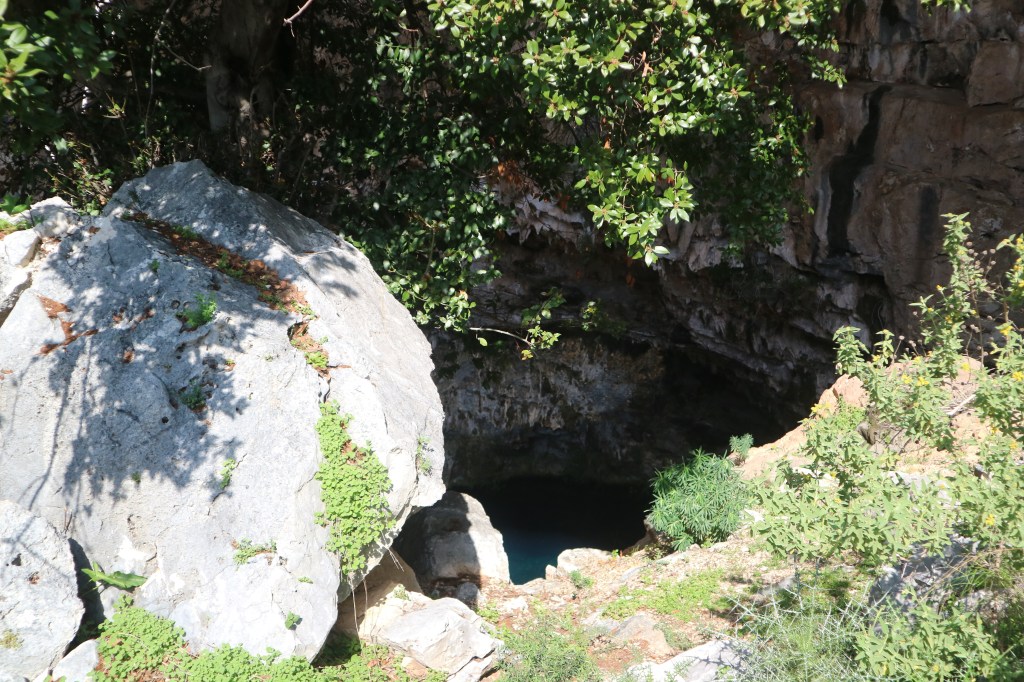
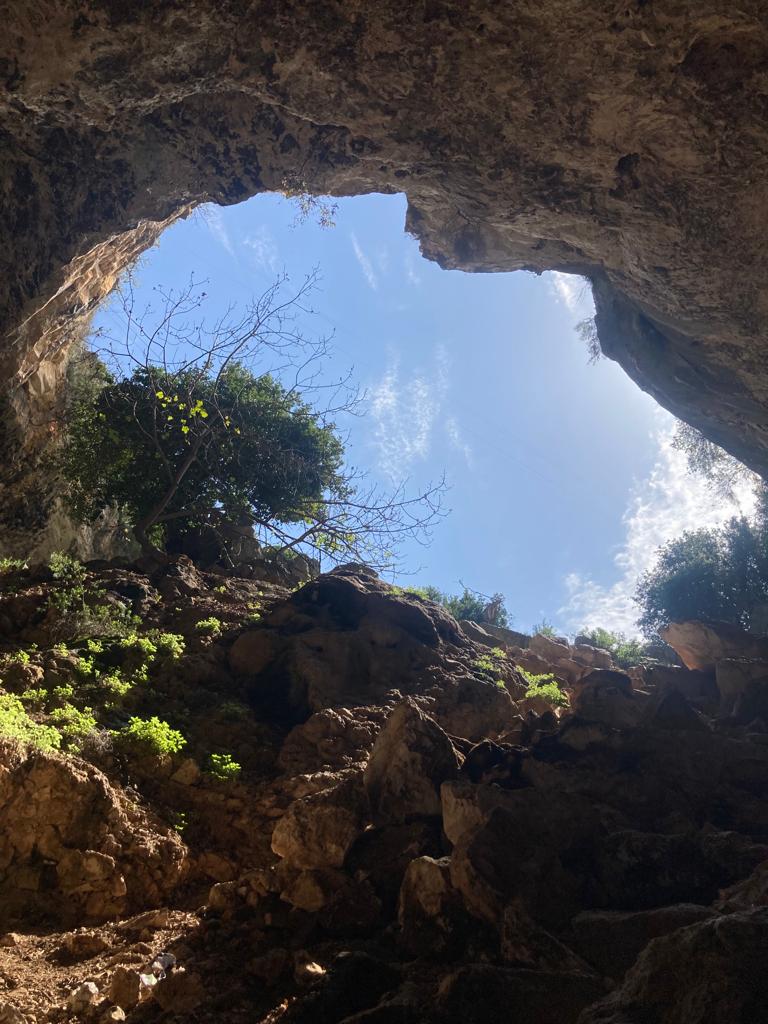
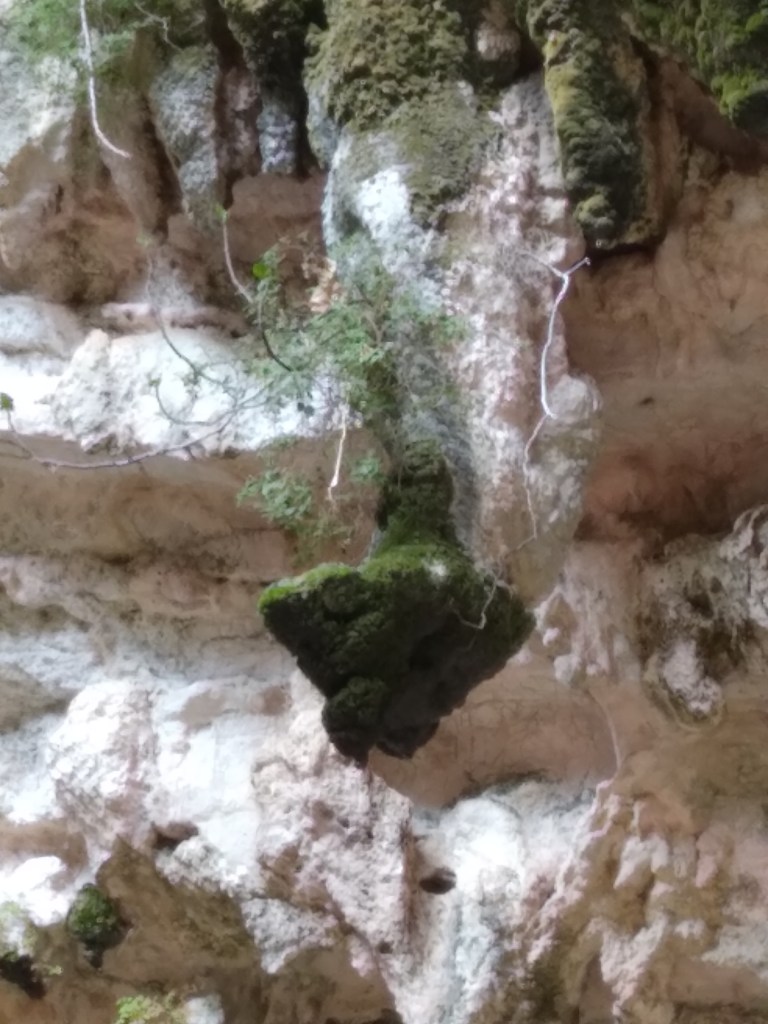
To loose the calories our most recent walking adventure was to find the elusive Finike Suluin Mağarasi (which translates to Finike Water Cave). The cave is a 25 minute walk from the marina and as with many noteworthy places in Tϋrkiye, there is no infrastructure protecting the site. The only protection is an one understated sign in Turkish on the side of the road, and an imposing overgrown hill with a non-existent path through the rocks, brambles and swarms of bees leading to the site.

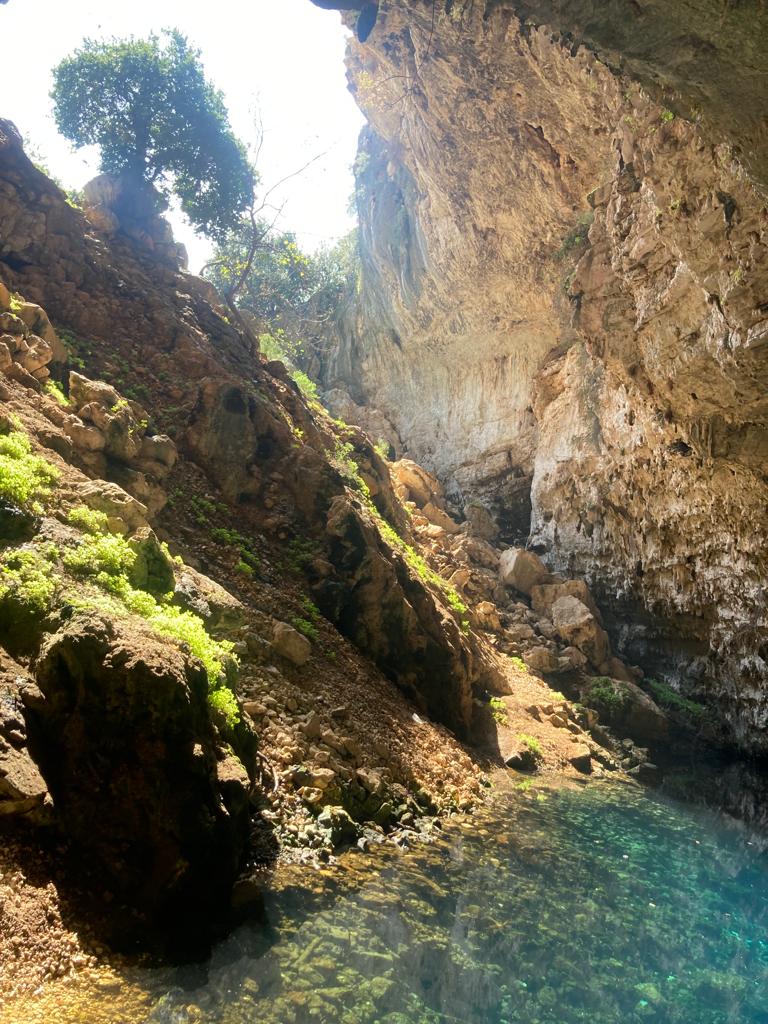
The cave is impressive, with a large turquoise pool at the bottom and sunshine reflecting off the walls. It’s possible to venture all the way down to the pool. There are bats nesting in the walls above and their chittering is reminiscent of cicadas in Summer. Between this noise and the twittering of the little birds in the area I found the cave quite calming.

A BBC report from 2010 and many of the tourist blogs list the Suluin Mağarasi as the deepest diving cave in Asia. However, it doesn’t appear on any English lists of caves I could find.

The cave is more than 122 metres deep and while the surface is fresh water, divers encounter saltwater at 15 metres. This is unsurprising given the ocean is just across the road. The water is very acidic and often there is a smell of hydrogen sulphide (rotten eggs smell). It’s probably not advisable to drink or swim here  especially given the cauldron of bats residing above for thousands of years. Despite the threat of bat guano, in 1995 an American diving excursion formally recorded the depth of the cave. Unfortunately, two German divers died during this expedition. Dripstones were also identified underwater which indicates the cave was once dry for some depth. Bones and ceramic shards were another find during the dive.

An archaeological survey of the cave site was undertaken by a local university in 2010. It discovered the remains of stone buildings near the entrance of the cave which date back to the Holocene period (circa 9701 BCE). They also found late Neolithic-early Chalcolithic Age ceramic shards (7000 – 5000 BCE), and flint and obsidian arrowheads. Carbon dating of bone needles showed it was occupied in 6000BCE (Neolithic).

When researching the cave, I had to use Google Translate and of all the mistranslation I saw my favourite references how the American dive team did not skydive into the cave. Ian says it probably meant they did not use air for the dive but instead used Nitrox (a mixture of Nitrogen and Oxygen used for deeper dives).

Fair winds and a dearth of sea monsters for the week ahead.
* I just love old fashioned words, often you can tell their meaning without thought or reference to a dictionary. I could have called myself clumsy, a stumblebum or a clodhopper but bungersome says it all really.

Thanks to: BBC (http://news.bbc.co.uk/2/hi/science/nature/8650104.stm), Wikipedia (Vikipedi), Hurriyet Turkey (https://www.hurriyet.com.tr/yerel-haberler/antalya/suluin-magarasi-concorde-sigacak-kadar-ucsuz-b-40518502) and Taşkiran, H, Suluin Cave – A Cave Settlement in the Western Taurus, 01 Jun 2020 (https://aktuelarkeoloji.com.tr/kategori/guncel-kazilar/suluin-magarasi)

Yanartaş and Olympos – Mythological Beasts and Pirates

One of the touristy things that has been on our “to do” list since coming to Finike was to visit Yanartaş and the ruins of Olympos. So when the topic came up with our friends Mike and Mandy of SY Kirrikie, we decided that the time was right, especially as our days in Finike are dwindling fast and its always lovely to share experiences with other folk. Note to readers – this is a long post, you might want to make a cuppa and a snack.

Mike and Mandy of SY Kirrikie

The hour drive North to Yanartaş was a thrill with Mike at the wheel and Ian navigating. Mandy and I tried not squeal as our rental car tore down the winding road, dodging trucks and cars hither and tither! Much to Mandy and my surprise we arrived safely at the base of Yanartaş. (We had to hurry. The flames had been burning for thousands of years so they must be due to run out of gas soon. You’d hate to be the person who dawdled and arrived just after they ran out.)

The entrance to Yanartaş National Park

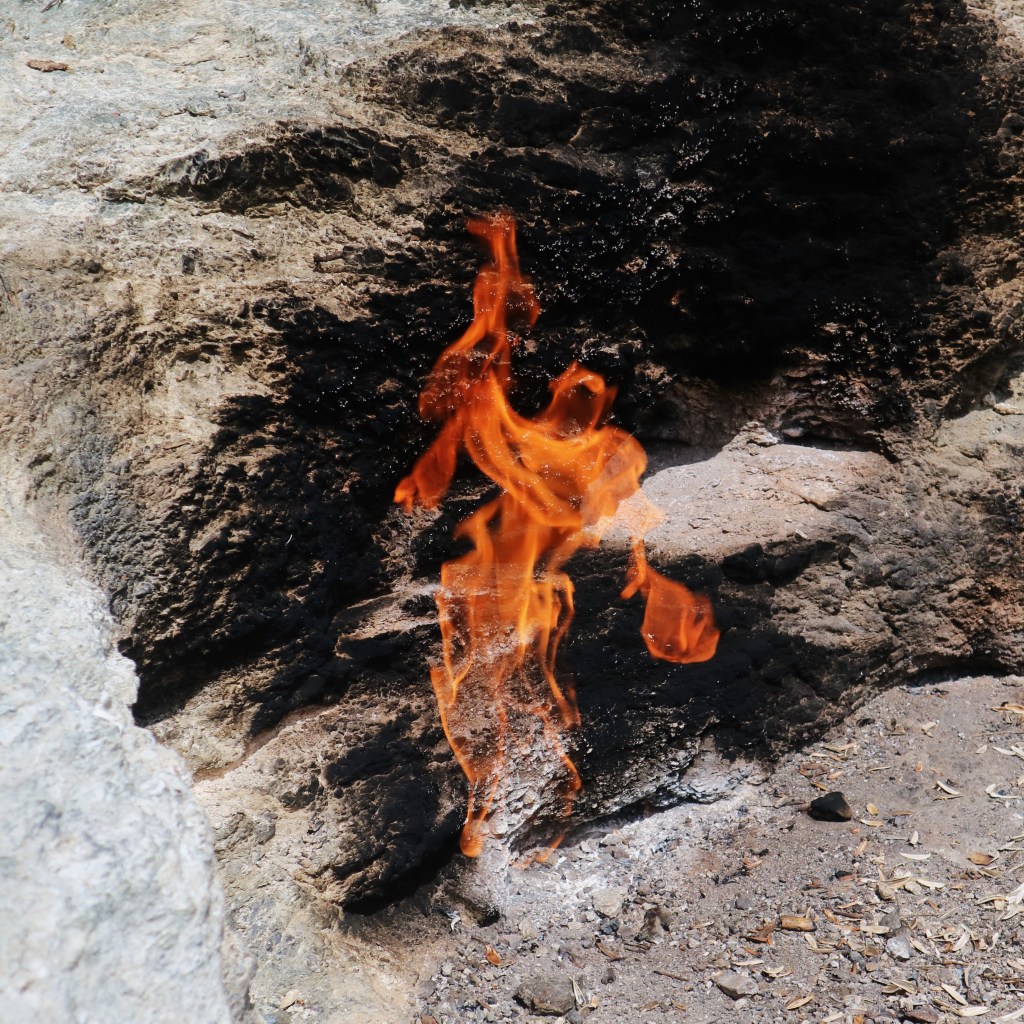
Yanartaş would be just like any other national park if it wasn’t for the natural fires that have been burning upon the mountain

These fires are the largest venting of abiogenic methane on the Earth’s terrestrial surface. They have been burning for over 2500 years, with historical records of the eternal flames stretching back several millennia. The flames breach the surface of the Earth through cracks in the volcanic rock. The original fire was much more powerful however as earthquakes changed the landscape the fire diffused into the smaller flames that can be seen today. the original flame was said to be used a navigation beacon by sailors. (Wikipedia)

I’m no scientist but google tells me this is mostly carbon, nitrogen and oxygen. the g13 CH4 is a reference to methane.
And am I the only one curious about the Foundation?

As you can imagine the site of a mighty flame spewing forth from the ground would have been awe inspiring. Unsurprisingly a temple was built at the site to honour the Greek God of Blacksmiths, Hephaestus. The legend goes that Hera cast Hephaestus, her own son, from Mount Olympos because he was an ugly cripple. Seems that ‘ his Mum didn’t think he was handsome’. Our hero took up blacksmithing to pass away his time on Earth, becoming the go to guy for the other Gods when they needed weapons or jewellery. Hephaestus apparently held something of a grudge against his mother and so made her a throne. This seems like a funny way to get back at someone until you discover the throne is actually a trap that catches Hera in its dastardly clutches. Eventually Zeus scolds his son for being a naughty boy and makes him release his Mother, and then rewards Hephaestus by honouring him with the position of God of Blacksmiths.

Unfortunately most of remaining ruins at the site date back to the Byzantine Period when a basilica was built over the temple. However there are still some Greek inscriptions and remains of the altar lurking among the ruins.

Hephaestus story is pretty cool however the local legends area is even more thrilling and steeped in controversy. The story goes that Prince Hippones of Ephyra killed his brother, Belleros, then changed his name to Bellerophontes (eater of Belleros) but for this post we’ll just call him Harry. When their father, the King, discovers Harry crime he exiles him. Harry takes refuge with the King of Argos, who is none too pleased to have the brother murdering lad in his realm. However, custom prevents him from killing someone who has taken refuge in his kingdom. Instead, the King of Argos decides to pass the young buck along to the King of Lycia. The King of Lycia, must have muttered some choice words about the other rulers inability to deal with their own problems. However he has his own issues to deal with so he hatched a cunning plan to punish Harry and solve one of his own nagging problems. You see there was a rather irritating monster, called the Chimera, who has been terrorising folk on mount Olympos. The King of Lycia decided that Harry is just the man to kill the Chimera. I guess the King thinks he’s on to a good thing here since at least one of his problems will be gone at the end of the day.

This depiction of the Chimera greets you at the entrance to Yanartaş. I’ve read a number of different descriptions and seen quite a few paintings and this is hands down my favourite Chimera.

Harry flies to Mount Olympos on his horse, Pegassos, and a mighty battle between him and the Chimera ensues. Finally our anti-hero, Harry spears the monster and inters it within the mountain where it remains to this day bellowing flames through the cracks of its prison. It seems that Harry feat of heroism is sufficient for everyone to forgive (or forget) his act of fratricide and honour him by arranging a race from the mountain to the city of Olympos. The athletes carry flaming torches set alight using Chimera’s breath and this, according to Anatolian legend, is the first Olympic Games and the Olympic Torch is the symbol of the Chimera flame.

There are plenty more pictures of this amazing place in the Gallery (which I will be releasing shortly). However Ian was keen for me to point out that Tϋrkiye takes care of its workers. He interpreted this sign as “after a day of toil blacksmithing or cutting stone the workers sit down and “suck on VB.” Personally, I think that if Tϋrkiye was really taking care of its workers it wouldn’t be giving them VB.

After our climb up to see the Chimera burping flames, we travelled down to the holiday town of Çirali for lunch. This little village is one of those places that lives for Summer and then dies away to become a peaceful ghost town the rest of the year. (The Ç in Çirali is pronounced Ch)

We were visited by a rather spirited tortoise who came by to pay homage to the O’ Mighty Tortoise God’. Unfortunately he was so excited that he moved too fast for me to get a photo. After lunch we headed on down to the end of the beach to see the ancient City of Olympus.

Unlike many of the ruins that we have visited the City of Olympos is managed and during our visit ongoing works were being done to take care of the site.

Habitation of the site dates back to about 800 BCE when a Doric colony (an ancient Greek ethnic group) made it their home, though it didn’t become a “city of import” until 200 BCE when it was recorded as having three votes in the Lycian League, as noted by the Greek geographer and historian Strabo (64 or 63 BCE – c. 24 CE). Coins from the Lycian League were also found at the site.

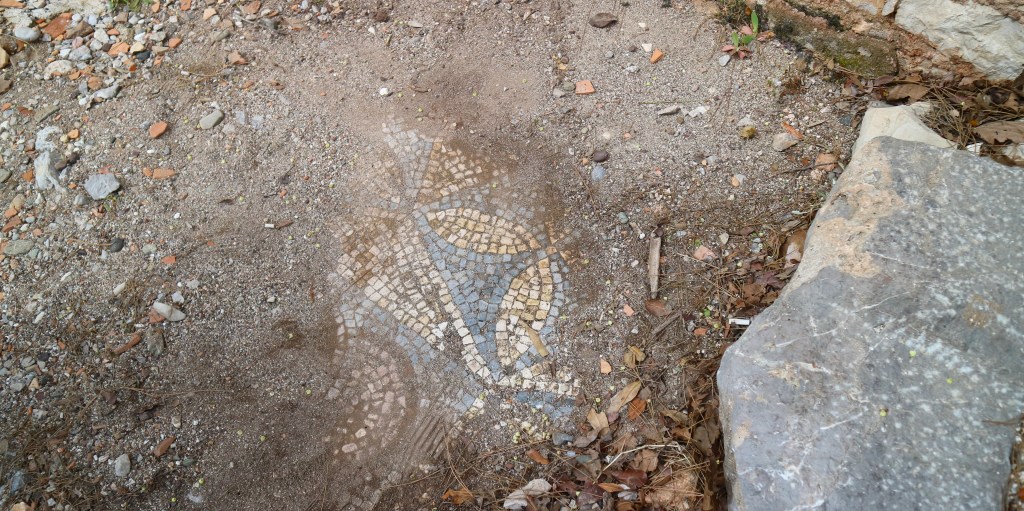
The mosaic is at the entrance to the two tombs, literally beneath our feet.

It seems the city was a thriving community with ties to the settlement on Yanartaş. And, around circa 100 BCE a Cicilian pirate called Zeniketes took over the city.

The Cicilian pirates are named after the region and were tolerated by the Romans for a long while as they supplied cheap slaves. When researching Zeniketes I came upon this interesting little side story. In 75 BCE another Cicilian pirate captured and held Julius Ceasar hostage on Farmakonisi (a Greek Island in the Agean Sea) for 38 days. According to Plutarch, Julius Caesar was incensed by the amount of his ransom insisting it be increased and then he negotiated on behalf of the pirates to have it paid. Once he was released, Caesar raised his own naval force (he didn’t hold a military office at the time) and returned to the island to apprehend the pirates. When it looked like the State wasn’t going to punish the pirates appropriately, Caesar had his men crucify the pirates. (Courtesy of http://www.britannica.com)

The historian Plutarch in his work, The Life of Pompey, explained the challenges faced by the Roman General, Pompey the Great when he decided to finally put an end to Cicilian pirates:

Their flutes and stringed instruments and drinking bouts along every coast, their seizures of persons in high command, and their ransoming of captured cities, were a disgrace to the Roman supremacy. For, you see, the ships of the pirates numbered more than a thousand, and the cities captured by them four hundred. (75 CE) (Courtesy of National Geographic UK)

Back to the City of Olympos and Zeniketes, the Cicilian pirate. He ruled over Olympos and the area that stretched from the Bay of Gelidonya to the western coast of Antalya (approx. 100 km of coast). There is evidence that Zeniketes was a worshipper of Hephaestus and would probably have made the journey up to see the eternal flames. His rule ended in 77 BCE when he set himself, his family and his crew alight rather than succumb to Roman rule. According to archaeologists the site thrived after his reign.

Christianity came to town around 300 CE when Methodius was named the first bishop of the Lycian region. Methodius was martyred in 312 CE for defending Christianity during one of the many persecutions. The only definitive text remaining that is attributed to Methodius is a treatise on the virtues of Christian virginity. So I’m guessing Olympos was not a fun place to be during his time. (Wikipedia)

The city of Olympos remained in one form or another throughout ancient history and into the middle ages with the Venetians, Genoese and Rhodians all having fortresses and settlements along this coastline. It was abandoned sometime before the arrival of the Ottomans in 1500 CE. The cities demise being attributed to war, earthquakes and plague. (https://www.allaboutturkey.com/olympos.html)

We capped off our day with a coffee at a beach side restaurant, before making the trip back up the hillside and then safely home. Thank you to Mandy and Mike for making this such a wonderful day and for sharing your photos.

Fair winds and a dearth of sea monsters for your week ahead.

Three Streets Back – Finike

Hello, welcome, come aboard. Weather in Finike has been a bit hit and miss the last few days. Reminds me of Melbourne, pouring rain on minute, sunny the next. Wednesday, however, was a slice of perfections. The skies were blue and the sun shone out long enough for Ian to drag me out for a walk “three streets back”. We often find ourselves in the industrial backstreets hunting for a Widget or Whose-it for some boat project or other. However, sometimes our adventures don’t include looking for unicorn-widgets or Fix-It Wizards.

Wednesday was one of these “just because” adventures as we decided to walk up into the hilly suburbs behind the main streets of town. It wasn’t until we walked climbed the hillside (and I did a bit of research) that we began to appreciate the size of our “little town”.

The town has a population of around 12,000 people and the region boast almost 50,000, give or take the most recent births and deaths. I think this probably a conservative number at the moment given with the influx of those displaced by the earthquake and the war in Ucrania.

The agricultural foundation of the area dates back to at least 5 BCE when the region was known as  Phoenious. We were both surprised by the view looking back down toward the town and the acres and acres of greenhouses lay beyond the suburban spread. Agriculture and tourism are the main sources of income in the region, with oranges and other citrus fruit making up the largest crops. However, tomatoes, lettuce and all the good green, red and gold stuff are grown in enormous green houses. Of course the prime real estate along the coast is dotted with hotels and resorts, however even these compete with the farms.

At one time the area was ruled by the Byzantines, the Anatolian Seljuk State, the Tekeoğulları Principality and the Ottomans. You do not see much in the way of ancient history in Finike but it is on the Lycian Way so if you travel a short way in any direction, you’ll eventually trip over some ruin or archaeological wonder.

The ‘Battle of the Masts’, one of the major battles of antiquity, took place just off the coast of Finike in 655 ADE. This was the first decisive victory of the Arab fleet (200 ships) againstthe Byzantine fleet (500 ships). The Arab leader went on to Constantinople which, surprisingly enough, was named after his opponent Constantius’ Dad (or Grandfather, I can’t quite work it out which) Constantine the Great.

In more recent times, last Wednesday, we saw endless amounts development work going on. On some streets a new house or apartment block was being built. On other streets we saw road works, and sewage and other utilities being installed or upgraded. Occasionally all this work competed for space.

As you can see safety comes third

Yet, there is also decay and abandonment at every turn. There are half built buildings where folk a living on the lower floors while the upper floors are still bare steel and concrete. The Ministry of the Interior has a program called “Let My Home Be Your Home” that supports those who have lost their homes in the recent earthquakes. This would explain why so many of the partially completed residence are being occupied.

Ian also wisely suggested that the economy, the cost of money, politics will be having an impact on the construction and abandonment we see. I’m sure what he was saying is terribly clever, and the result of hours of inter-web research but I confess I was distracted by the lovely flowers.

For those that don’t know us well please don’t take my wanton sexist imagery as anything other than fact. Ian is dead keen on world economics, politics and such. I am not and count myself lucky that he worries about such things on my behalf.

There’s always a gaggle of kids’ about, playing games or riding bikes (the teenagers all ride mopeds). The younglings are watched by a distracted Mother or attentive Grandmother. The braver kids often say hello in English, pleased to be trying out their language skills. There’s always a wizened gentlemen or two sitting in the sun, a cigarette in hand and a çay beside them. No doubt they’re solving the world’s problems, if only we’d all listen! We always greet them with a sturdy Turkish “Merhaba” (hello). (çay – pronounced chai, a strong black tea made from Camellia)

To date I’ve been reluctant to intrude on folks time to ask for a photo but these two were happy to pose for a portrait.

We didn’t see many cats and dogs on this walk, however there were plenty of hens and more than a few confused roosters still calling out the sun despite it being lunchtime. We also heard the distinctive bleats and tinkling bells of a goat herd on a nearby hill. Beehives are also a distinctive feature of the landscape.

On one particular street we came by a rather special little creature. The street had a long deep ditch running the length of the road. I presume they are putting in cables or sewage pipes. The ditch was about 10 feet deep, at least 50 metres long and a few feet across. At one end was the ditch digging machine, and along the sides were large mound of dirt. Our side had enough room for us to walk pass, but the other side was quite tight for space. It was here that we came upon a tortoise. His shell no more than a hand span and in the way that all of these particular reptiles he looked ancient and wise. Unfortunately the little fellow wasn’t out for a stroll but was valiantly trying to cross over to the relative safety of our side of the road

No doubt he had designs on the shady garden behind us but tortoises can’t jump. (I know this because I checked on the inter-web: see http://www.tortoiseowner.com), so he was having some difficulties. As dirt skittered from beneath his feet into the ditch, I swear I saw him look plaintively at us as if to say “A hand here might be good. If you wouldn’t mind.” At which point, I may have squealed and danced about in useless panic. Thankfully, Ian, who is always better in a crisis, leapt to the rescue. Putting himself at grave risk of falling into the hole, he used the ditch digger as a bridge collected the beleaguered tortoise. He then returned to our side, and gently deposited the little reptile beneath a geranium bush.
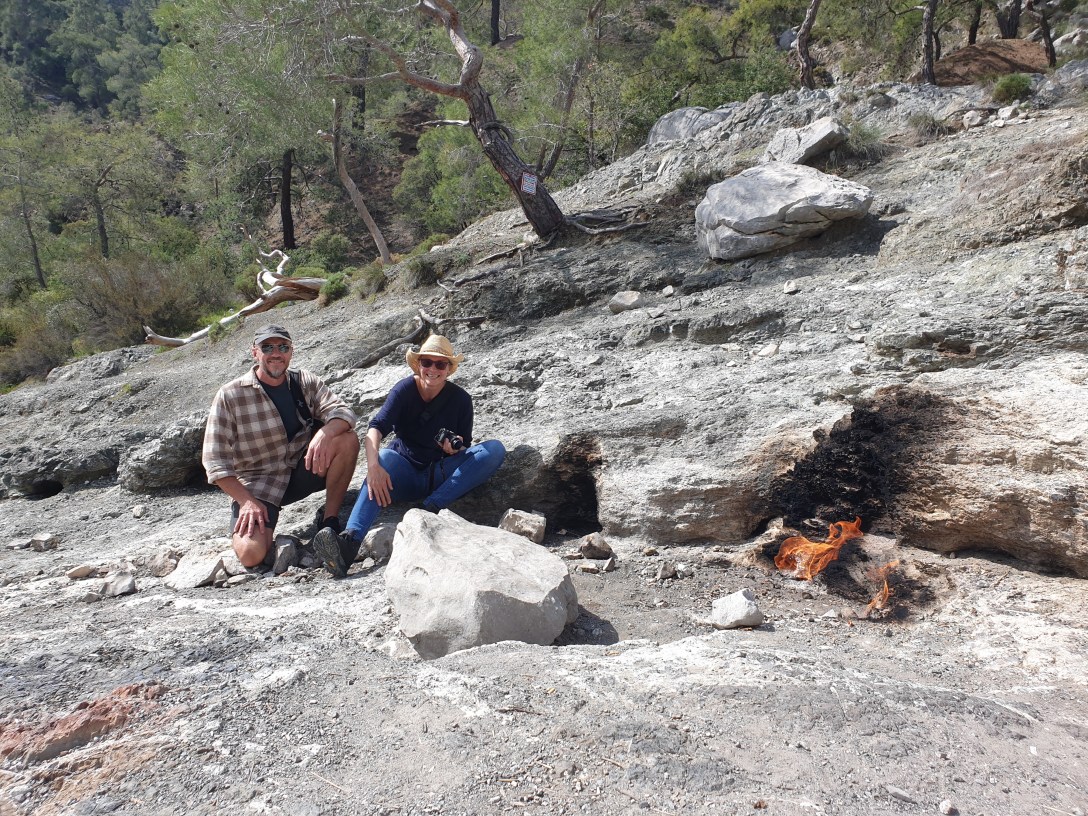
I didn’t see if the tortoise gave Ian a nod of thanks so I made sure to give him a sloppy kiss as reward for his bravery.

As we went on our way, I pondered upon what the tortoise thought about his rescue. Ian, whose quick wit is faster than his leap into action, proclaimed it would have been something like, “Whilst upon my journies I came upon the Pit of Despair. And, whence I thought all was lost, the hand of the great All Mighty God came down upon thine shell and raised me up, as if upon golden wings, and carried me over the Pit to my salvation! For thine is the power O’ Great One.

So from the Mighty God and his adoring fan we say goodbye and… fair winds and a dearth of sea monsters for your coming week.

Shake Down Cruise to Kaş

Hello, Welcome, come aboard. Thanks for all the wonderful support for this new thing called Sailing Longo Mai.

Spring is blossoming and everyone is looking forward to the sailing season. Conversations are turning to journey planning and days are filled with finalising winter projects.

Happily, Longo is almost ready for the season. So much so that last week we were able to take her out for a shake-down cruise. We chose the nearby town of Kaş as our destination. The trip was reasonably uneventful with the boat and crew settling back into the groove of things. It was lovely to be back out on the water.

Unfortunately, towards the end of the day our traveller broke. The traveller controls the angle of the main sail. It’s an important piece of equipment that takes on a bit of a load as the boom swings for side to side when you gybe and tack (change direction).

Thankfully ours broke at the end of the day and Ian was quick to come up with a temporary solution to finish the trip. On inspection it turned out that the screws used to secure the traveller weren’t long enough to do the job; something we’ve all experienced before, I’m sure. (Ian’s edit: they’re not screws, they’re bolts! but as this would ruin Malia’s little innuendo I’ll let it pass this time)

We stayed in Kaş for three nights. Spending two in a small anchorage near a marina, just five minutes from the centre of town. The first night we met a lovely local lady who’s planning on buying a boat to live on and we chatted for a while as she floated on her SUP along side us. The second night friends from Finike stopped in for dinner on their way through to Marmaris.

For our last day we moved onto a new anchorage called Bilal’s Beach. The trip over to the new anchorage gave us our first glimpse of sea mist. At times it was difficult to see the horizon, but the still, bleached vistas were eerie and peaceful.

With not a breath of wind and almost no swell the only noise unfortunately came from our engine.

Bilal’s Beach is a little under 2 km from Kaş, giving us the opportunity to test out our new tender, Big Baby Boat (BBB) , whose official registered name is “Grande Petit Bateau.” Yes really! this is what happens when Ian lets me do the formal paperwork. BBB is 3.1 metres long with a nifty double floor and a whopping 20 HP electric start motor. So he has the room and oomph to take our friends onboard and to give us a little extra range for exploring. Unfortunatelty with size and power, the environmental friendliness of BBB is lacking. Oh well you can’t everything.

Kaş, is a lovely Turkish touristy town. In the height of the Summer season it’s teeming with tourists from all around the world. The number of gulets and other tourist boats up on the hard was a testament to the popularity of the town.

The Kaş we got see was slower and lower-keyed, giving us the opportunity to explore without feeling crowded. The town is on the Lycian way and occupies the site of the ancient city of Antiphellos which dates back to 2nd century BCE.

We stumbled upon the ruins of a Helenistic Temple sandwiched between an apartment block and a restaurant. It dates back to 1 BCE and while some of the stone blocks are embossed its unknown which god it was dedicated to.
There is also an impressive King’s Tomb dating back to 4 BCE on which you can still see the Lycian enscription. Nearby we found a passable flat white coffee.

While anchored at Bilal’s Beach we also climbed up to see two rock tombs that overlook the bay. On the way down to BBB we stopped in at a bar for a refreshing ale and to meet the local kid.

On our last day we set off for “home” (Finike) bright an early. The weather forecast predicted perfect sailing winds but we’ve learned to remain skeptical. For once our doubts were unfounded as we set the sails and Longo stretched her wings and flew us home, reaching up to 9.9 knots and the engine remained silent until we reached the marina.

The same winds made docking a bit of a challenge but as there was no damage, no injuries and no video, we count it as a success.

Fair winds and a dearth of sea monsters.